Conservation Standards Applied to Ecosystem-based Adaptation (EbA) is a product of collaboration between the Central Asian project team of the Deutsche Gesellschaft für Internationale Zusammenarbeit (GIZ) GmbH working on EbA and the Climate Guidance Working Group of the Conservation Measures Partnership (CMP).
This guidance builds on the already widely used Conservation Measures Partnership’s Open Standards for the Practice of Conservation (Conservation Standards). The Conservation Standards, first developed in 2004, represent the leading adaptive management framework in the field of biodiversity conservation and ecosystem management. Thousands of conservation practitioners around the globe have used them to plan, manage, monitor, adapt and learn from their projects and programs. The Conservation Standards provide a user-friendly, evidence-based, and consistent approach that, when applied to EbA, can help your teams to identify priority ecosystems, assess conventional (non-climate) and climate-related threats, and determine the most appropriate interventions.
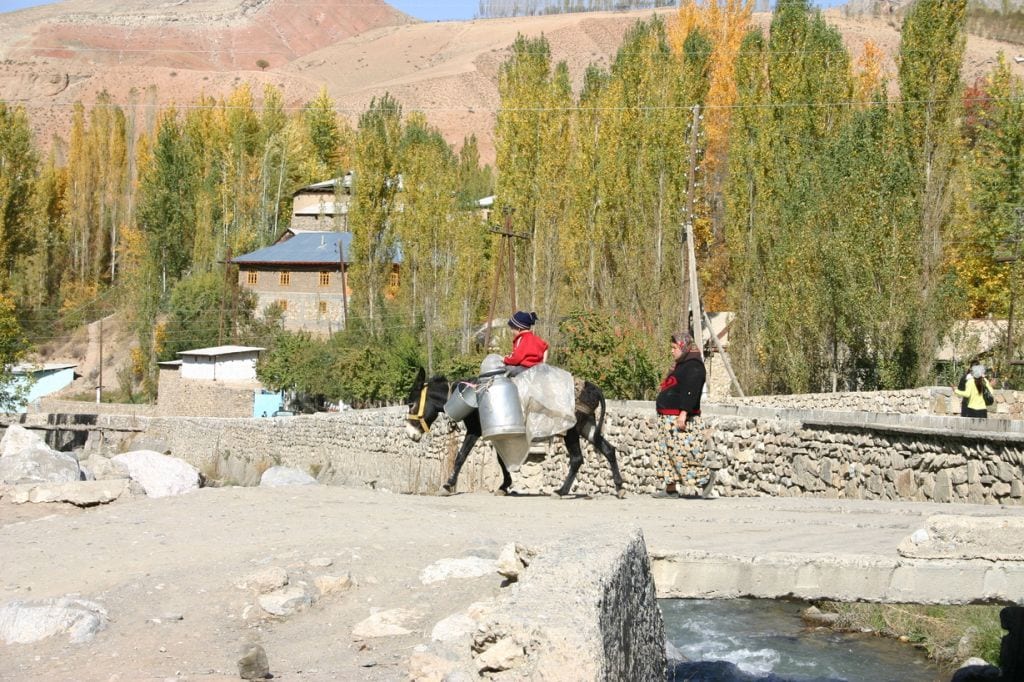
GIZ and CMP have worked together to develop this guidance based on an EbA project in Central Asia, but aimed at a global audience of EbA practitioners and the communities with which they work. GIZ has been implementing the EbA project in the high mountainous regions of Central Asia on behalf of the German Federal Ministry for the Environment, Nature Conservation and Nuclear Safety (BMU) and its International Climate Initiative (IKI).
Download the Guidance here.
This publication and other information you find as well on the Central Asian EbA project homepage.