
What are you looking for?

Climate
Change

is one of the greatest challenges of our time

Climate
Change

is one of the greatest challenges of our time

People and states worldwide are already affected by its destructive impacts. Especially developing countries are vulnerable to global warming and its consequences. With the adoption of the Paris Agreement, its global goal on adaptation has been set as an indispensable component of climate action equal to mitigation.

featured

Urban Climate Resilience Toolbox

Sharing urban climate resilience experiences is crucial as cities worldwide deal with the challenges of climate change and rapid urbanization. This practice speeds up learning, supports cost-efficiency, encourages adaptability, magnifies the impact of successful strategies, and enhances collaboration among cities, all of which are essential for effectively addressing shared challenges and strengthening governance frameworks.

The Urban Climate Resilience Toolbox is a repository of more than 90 different tried, tested and ongoing approaches in more than 30 countries. The toolbox provides information on where and how these approaches are being or have been implemented. The resilience approaches are clustered into different categories that define their design to facilitate the access to information for policymakers, practitioners, and those with a general interest in urban climate resilience actions or in implementing them in the local, national, and international level in the context of international cooperation.

latest

Ten years after the adoption of the Paris Agreement, climate adaptation has become a defining element of global climate policy. This shift did not begin...
Adaptation moved to the forefront at COP30 in Belém, driven by the need to accelerate action and to clarify how progress can be measured. Parties...
The data labs of three German ministries and GIZ developed an AI prototype to help delegations navigate the vast amount of UNFCCC submissions....

Topics

  • As the negative impacts of climate change are expected to intensify in the near future, Climate Risk Assessment and Management aims at averting, minimising and addressing loss and damage.
  • Climate Services (CS) provide decision-makers with customized ready-to-use climate information and products (forecasts or historical trends) to effectively manage climate risk. 
  • Economics of Climate Adaptation considers the need to assess the economic impact of climate risks and to develop adaptation options that contribute to economic development and human well-being in a systemic way. 
  • Human Mobility in the Context of Climate Change  looks at how extreme weather events and gradual changes impact human mobility: migration, (disaster) displacement, as well as planned relocation.
  • Mainstreaming of Adaptation systemically includes climate risk and adaptation considerations in decision-making and planning processes. 
  • The National Adaptation Plan (NAP) process aims to integrate adaptation into development planning and to reduce vulnerability to climate change. As the primary national planning process for adaptation, it can support the implementation of NDC adaptation goals. 
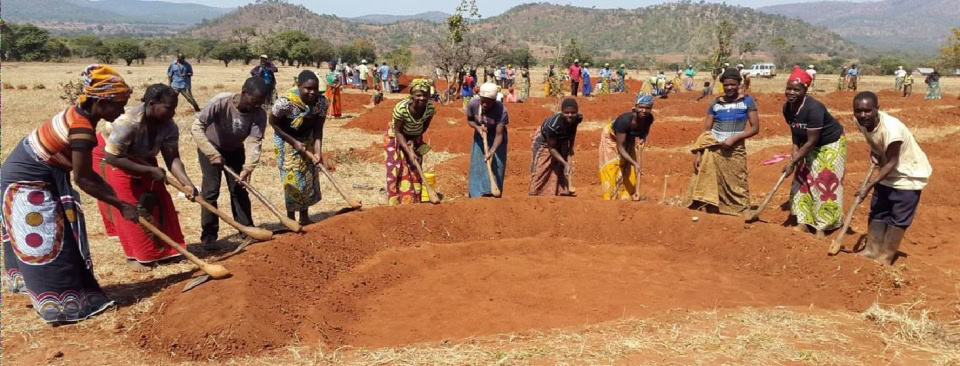
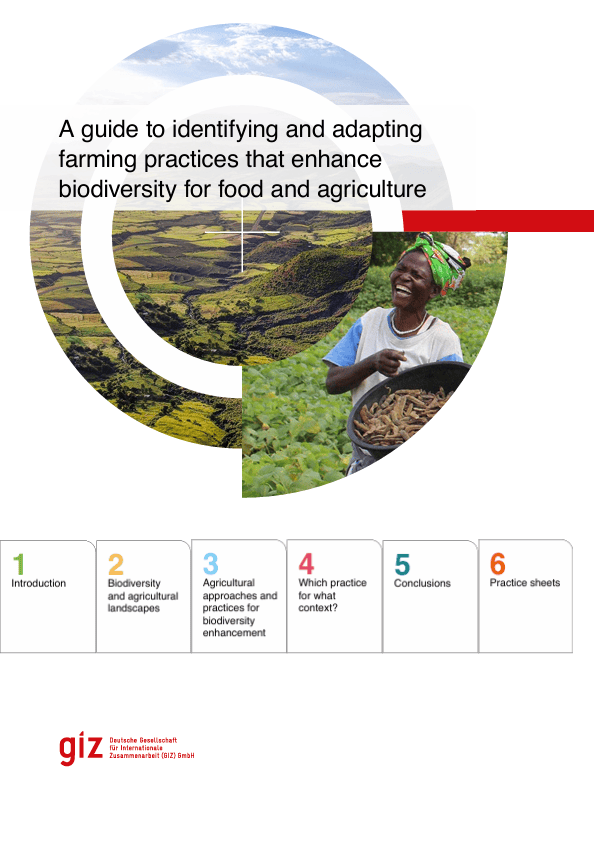
  • Agroecology aims at transforming agricultural and food systems towards climate resilience and adaptiveness in order to achieve food security for all. 
  • Ecosystem-Based Adaptation (EbA) is the sustainable use of biodiversity and ecosystems to help people adapt to the adverse effects of climate change. 
  • Urban Climate Resilience refers to the ability of an urban system – and its components – to absorb, adapt to, and recover from the various shocks and stresses exacerbated by climate change, while ensuring the well-being of its inhabitants. 

Monitoring and Evaluation (M&E) helps keeping track of the implementation of adaptation measures and assessing their effectiveness and outcomes. The Paris Agreement encourages “M&E and learning from adaptation plans, policies, programmes and actions” (Article 7.9d). 

Solutions

Fact sheets
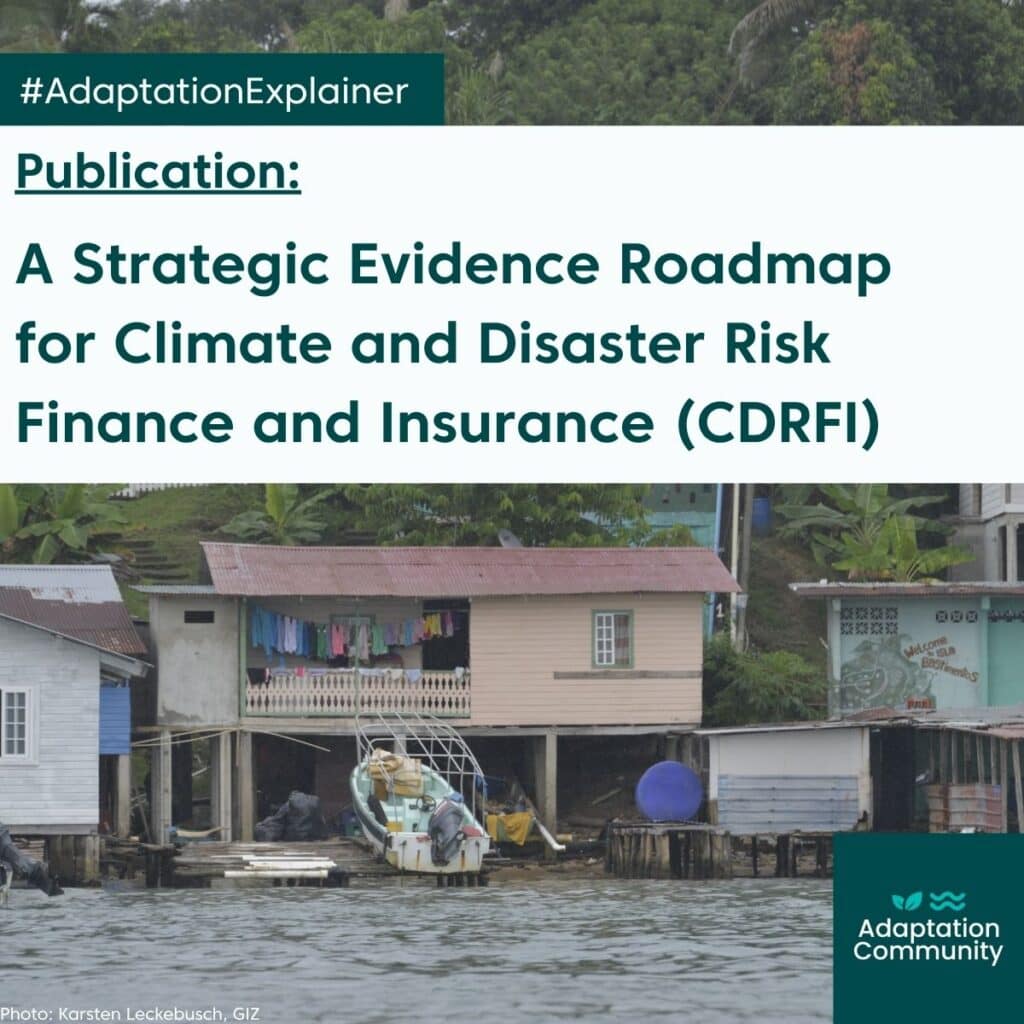
The overall aim of the ERA project was to provide the government partners in Thailand and Egypt with an enhanced risk assessment for the development of their adaptation and risk financing strategies. The project was implemented by GIZ together with the Munich Climate Insurance Initiative (MCII) hosted by the United...
Studies
The overall aim of the ERA project was to provide the government partners in Thailand with an enhanced risk assessment for the development of their adaptation and risk financing strategies.This final report delivers a comprehensive assessment of climate risks in Egypt to support adaptation planning and risk financing strategies....
Studies
The overall aim of the ERA project was to provide the government partners in Egypt with an enhanced risk assessment for the development of their adaptation and risk financing strategies. This final report delivers a comprehensive assessment of climate risks in Egypt to support adaptation planning and risk financing strategies....

Connect

Follow us on LinkedIn to stay informed on the latest developments in the climate adaptation community.