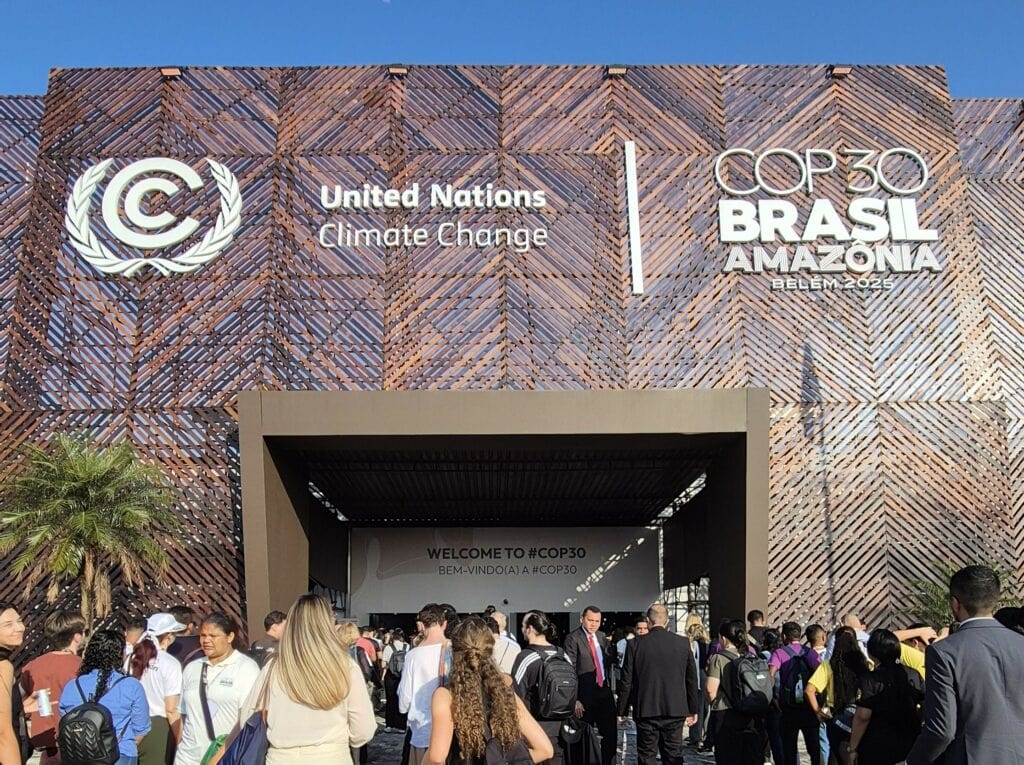
Adaptation moved to the forefront at COP30 in Belém, driven by the need to accelerate action and to clarify how progress can be measured. Parties agreed to step up efforts to at least triple adaptation finance by 2035 in the context of the new collective quantified goal on climate finance, intended to support developing countries.
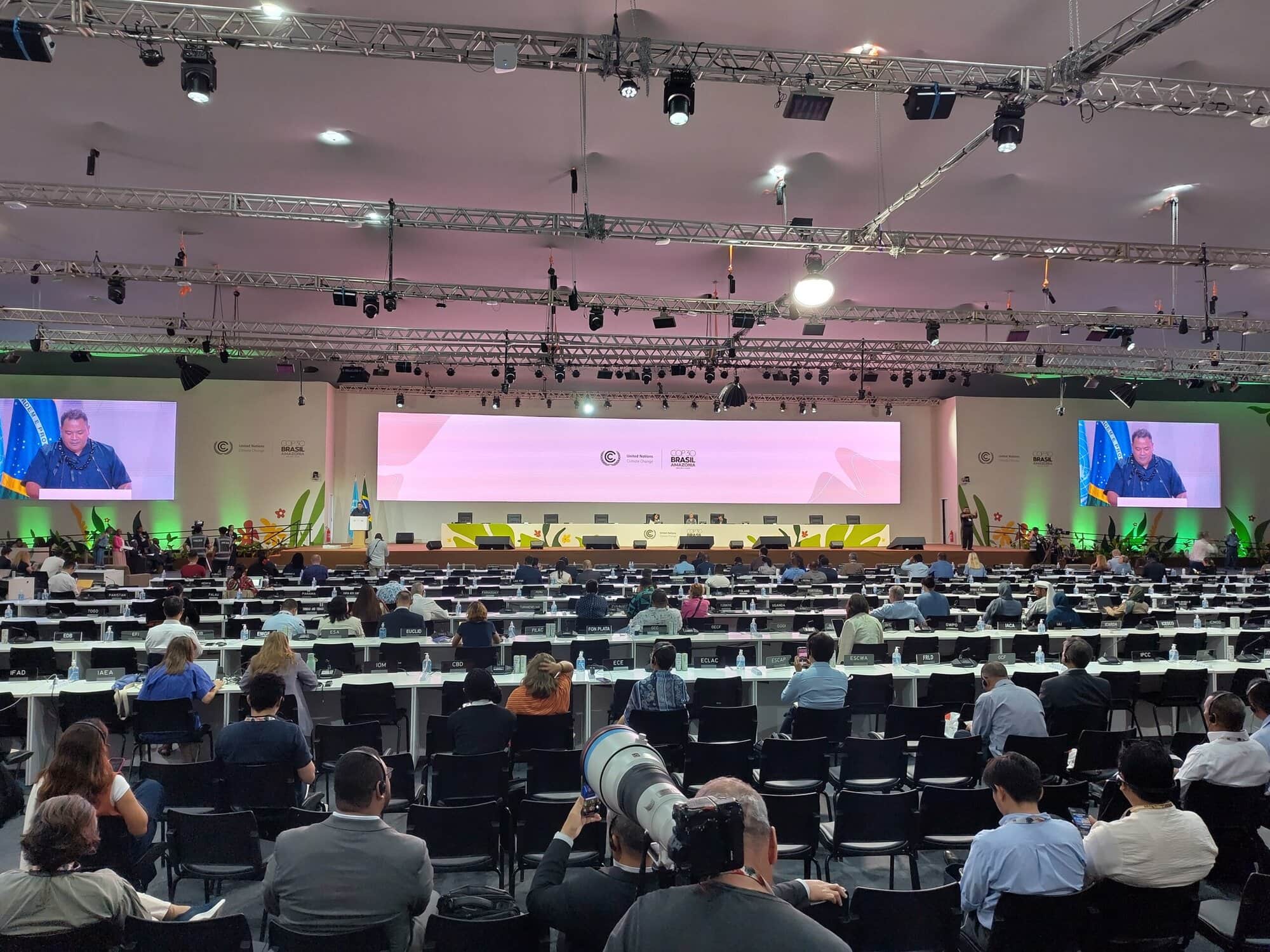
A central outcome – as part of the decision on the Global Goal on Adaptation – was the adoption of 59 indicators, called Belém Indicators, reduced from an initial list of roughly 10,000. These indicators cover the 11 targets of the UAE-Framework for Global Climate Resilience and were introduced by the Brazilian Presidency in the final days and hours of the negotiations, without prior consultation. Several countries, including from South America and the EU, expressed substantial concerns and did not support the draft decision in the final plenary. Despite these objections, the decision was considered as adopted, given that president Corrêa do Lago had given the floor to these countries only after he had gavelled the decision.
The decision envisages a two-year period during which countries can test and use the indicators with a view to developing guidance on their operationalisation. At the same time, Parties – supported by a task force – are to improve metadata and methodologies, which will also be considered after the two-year period, but shall not result in global standardised methodologies or data-collection requirements. Additionally, three constituted bodies under the Paris Agreement were tasked with developing guidance material, including on reporting formats for the enhanced transparency framework. Their review had previously been agreed on and will likely start at COP31 in 2026. As a result, three processes with overlapping content may run simultaneously.
The decision also invites the Global Environment Facility (GEF), the Green Climate Fund (GCF) and Adaptation Fund to support developing countries in implementing the UAE Framework’s adaptation targets, including by aligning national plans with these targets. This raises the concern that targets or indicators could evolve into funding criteria – contrary to the shared view of developing and developed countries that both targets and indicators remain voluntary.
Given the objections and concerns raised in the plenary, COP President Corrêa do Lago suggested that the decision allows for ongoing refinement, to be continued at the next session in Bonn based on CMA7 outcomes, while also confirming that the gavelled decision was adopted.

Calls for scaled-up Adaptation Finance
Finance dominated the agenda. In particular South American countries and LDCs called for a tripling of adaptation finance to USD 120 billion between 2025 and 2030. The Arab Group demanded USD 150 billion by 2030, linked to the request to include their countries in a category of “special circumstances and needs,” should such a category appear in a decision. The final “global mutirão” text reaffirmed the Glasgow doubling goal and called for efforts to triple adaptation finance by 2035.
Progress on NAPs and the Adaptation Fund
Negotiations on National Adaptation Plans (NAPs), which had stalled since COP29, concluded successfully with a decision in Belém. The decision recognises the progress of developing countries in preparing and implementing their NAPs, with 71 NAPs now submitted under the UNFCCC and the Paris Agreement. It reiterates several elements crucial for effective NAPs, including:
- Integration of adaptation action into relevant development strategies and planning processes;
- adaptation action should be country-driven, gender-responsive, participatory and fully transparent, consider vulnerable groups, communities and ecosystems, and be based on the best available science;
- enhanced knowledge on climate impacts and adaptation options, and of monitoring, evaluation and learning systems to support NAP implementation – to better understand the progress in adaptation efforts, reduced vulnerability and increased resilience.
Outlook
Reflecting the objections and concerns, the negotiations on the Global Goal on Adaption will continue at the next meeting in Bonn in June 2026.
Furthermore, Parties postponed the review of the performance and effectiveness of the Adaptation Committee and the consideration of the guidance for adaptation communications to the June sessions.
NAPs will return to the agenda at COP31 under the guidance of Australia and Türkiye, where overall progress in the NAP process will be assessed based on the 2026 NAP progress report.
A valuable lesson that should be replicated at COP31 was the adoption of the Adaptation Committee’s annual report during the opening plenary. Following consultations by the Brazilian presidency, this strategy helped to streamline the agenda.