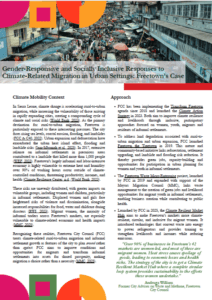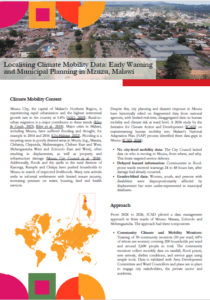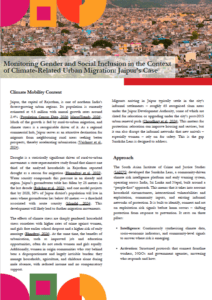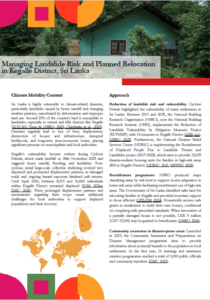
Climate change presents significant challenges; however, its effects are not gender-neutral and intersect with existing inequalities related to gender, income, location, and social status, often resulting in heightened risks for women in specific contexts. This unequal burden emphasises the importance of inclusive approaches to climate action and targeted strategies that address the underlying vulnerabilities, circumventing unintended negative consequences.
Climate and Disaster Risk Finance and Insurance (CDRFI) is vital for strengthening resilience to climate-related shocks. However, a lack of consideration for gender and intersecting vulnerabilities might limit its effectiveness. Therefore, an integrative analysis of these structural inequalities underpinning people’s vulnerabilities to climate change is paramount for creating effective solutions. To this end, it is essential to move beyond the myopic view of adverse effects as a result of climate change and factor in socioeconomic preconditions. This review explores the integration of gender into CDRFI policies, programmes and instruments in Bangladesh, while identifying gaps and offering recommendations for improvements. Integrating gender into CDRFI frameworks ensures that vulnerable groups, including women and girls, children, youth, older people, and socially excluded groups, have rapid and reliable access to financial resources when disasters strike, and thus develop resilience and to deal with the economic impacts of climate disasters.
This analysis attempts to map the current CDRFI policies and programmes, provide diagnoses of systemic gender gaps, and formulate evidence-informed recommendations to make Bangladesh’s CDRFI landscape more gender-responsive, socially inclusive, and effective.
This publication is a product of the Centre of Excellence on Gender-smart Solutions (CoE). The CoE is an initiative that serves as a knowledge hub for advancing gender-responsive approaches within Climate and Disaster Risk Finance and Insurance (CDRFI), providing the latest insights, practical guidance, and opportunities to promote equitable and inclusive solutions.