A new guidebook is now available for monitoring the outcomes and impacts of nature-based solutions to climate change adaptation.
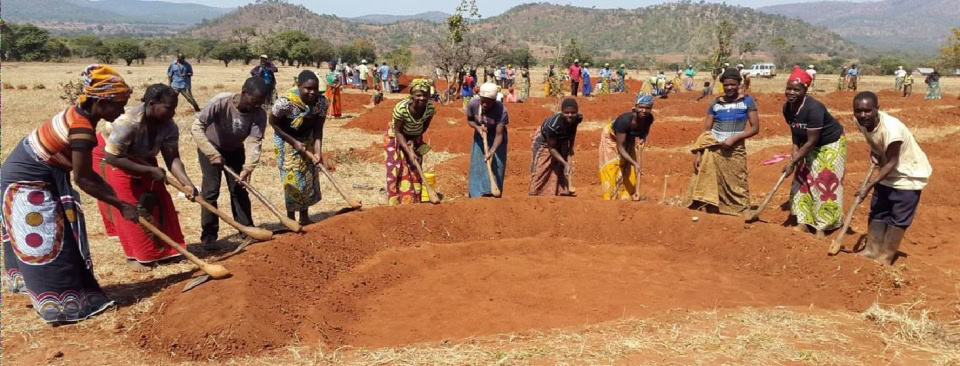
This is a practical guide for planners and practitioners to better understand the outcomes and impacts of on-the-ground projects that work with and enhance nature to reduce the negative impacts of climate change on people (or ‘Ecosystem-based Adaptation’ (EbA)).
The global climate is rapidly changing, and there is a need for people across the planet to adapt to the negative impacts of such changes. That’s why understanding the outcomes of the interventions put in place and learning from good practice on climate adaptation is more important than ever.
The Guidebook describes key considerations and components for each step of Monitoring and Evaluation (M&E) of EbA projects and points to additional tools and methodologies that can be used in specific circumstances.
The Guidebook should be consulted in the early stages of designing an EbA intervention to help clarify the logic underlying the measures, including the intended pathway of change. It can also be used if an intervention has already begun to help make improvements to the project logical framework and M&E systems, if these exist, or to develop them if they are not yet in place.
The Guidebook is a joint publication by Deutsche Gesellschaft für Internationale Zusammenarbeit (GIZ), the UN Environment Programme World Conservation Monitoring Centre (UNEP-WCMC) and Friends of Ecosystem-based Adaptation (FEBA) under the International Union for Conservation of Nature (IUCN). The Guidebook was funded by the Global Project Mainstreaming EbA, implemented by GIZ on behalf of BMU IKI.
Download the Guidebook here