What are you looking for?

Publications

Here you can find publications on the subject of climate change adaptation in different languages. Please use the filter option to select your preferred language.
  • Topics

  • Types

  • Languages

Climate change is significantly impacting agricultural production in Nigeria, leading to more frequent droughts, floods, pests, and erratic rainfall patterns. These adverse conditions threaten crop yields and food security. The report evaluates the historical damages caused by the warming climate to guide policy-making and actions aimed at enhancing resilience in the agricultural sector.
The report examines cross-cutting policies from 2010 to 2025 to strengthen climate change adaptation in Nigeria’s agricultural sector, highlighting synergies, gaps, and opportunities for targeted interventions in the country’s largest employment sector.
This briefing provides an introduction to climate change adaptation, its relevance for impact investors and how the issue can be addressed in investment strategies. The focus lies on investment opportunities in SMEs and growth-stage companies in developing countries and emerging markets. At the same time, much of the analytical framework is applicable to developed markets as well, for example how to identify adaptation-relevant business models.
The Guidance Note serves as both a knowledge resource and a practical guide, it provides recommendations for national social protection actors, policy makers, multilateral climate funds, and development organisations on how to embed social protection across climate action.
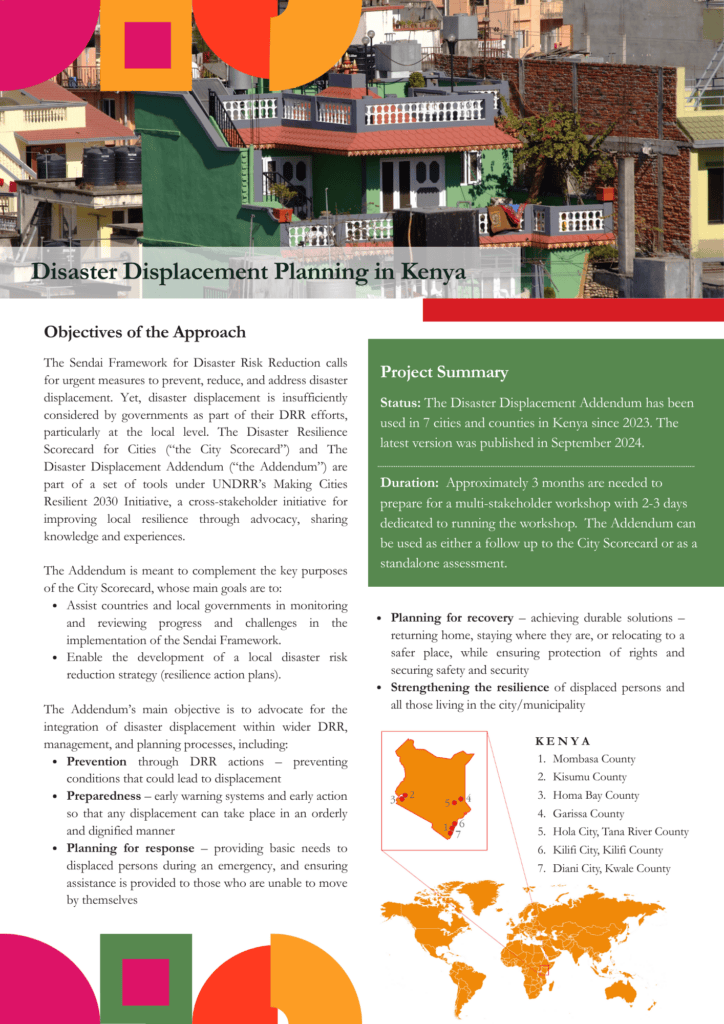
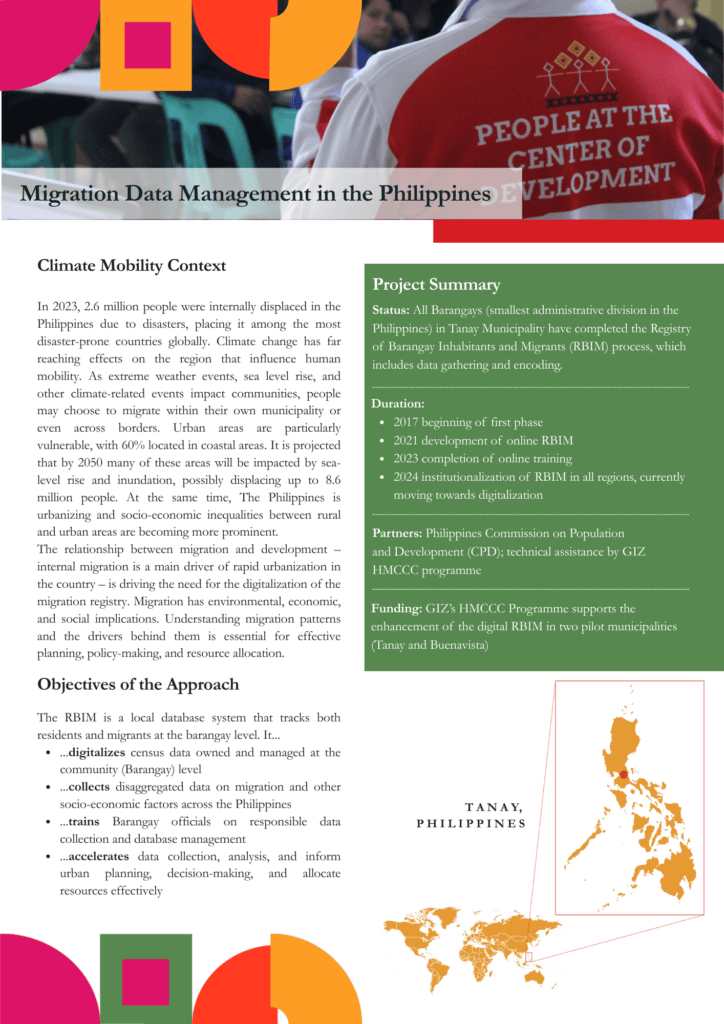
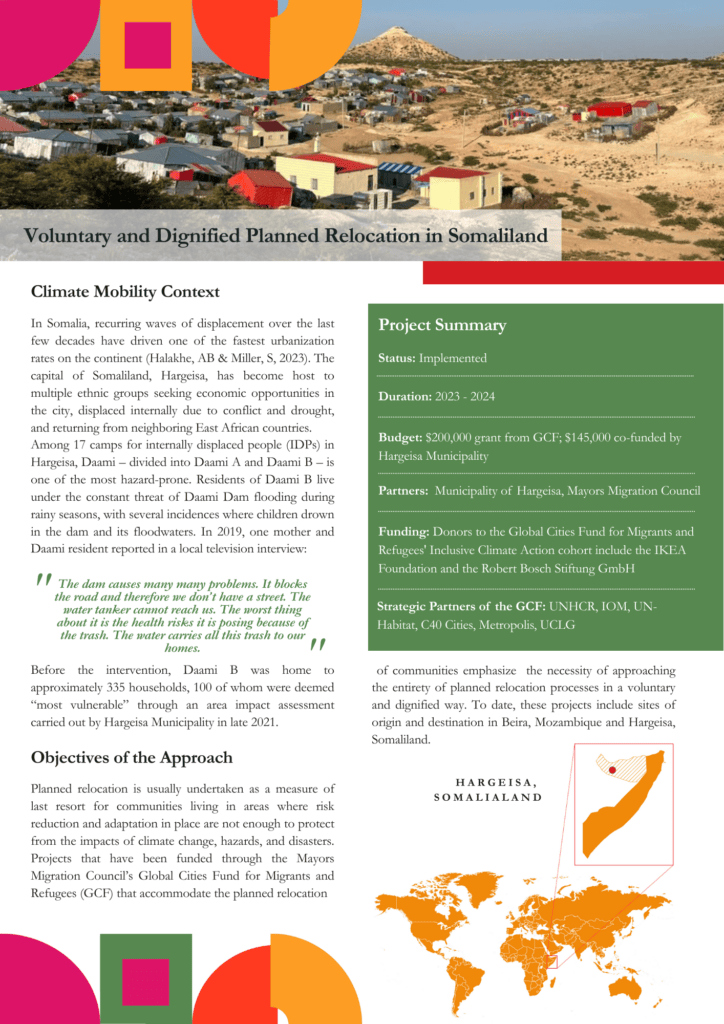
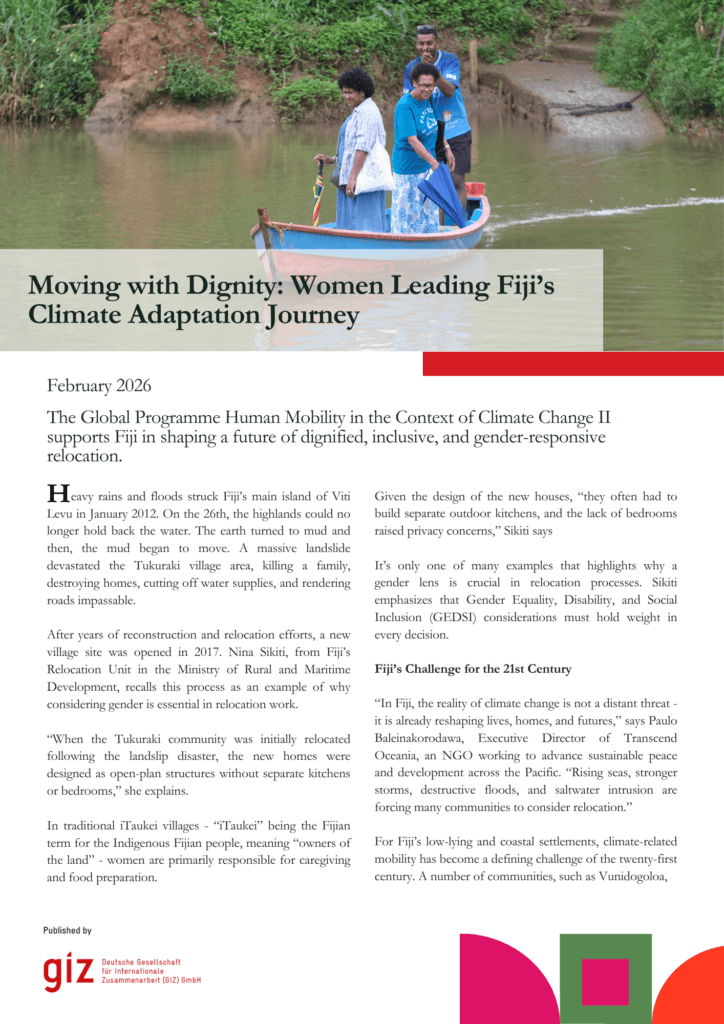
Le Programme global HMCCC II soutient les acteurs locaux et nationaux dans la mise en œuvre d’approches sensibles au genre, aux conflits et résilientes au climat pour faire face à la mobilité liée aux changements climatiques, en mettant particulièrement l’accent sur les groupes marginalisés et l’intégration de la mobilité humaine dans la planification du développement. 
With an increasing number of global assessments, studies, and reports on the effectiveness of Nature-based Solutions (NbS) and Ecosystem-based Adaptation (EbA), this brief provides state-of-the-art summary and analysis of the latest science–policy interface assessments and relevant reports related to NbS and EbA. It outlines the evidence base for the ability of NbS and EbA to deliver multiple benefits and transformative change to solve societal and environmental challenges and provides forward-looking recommendations on scaling up the implementation and support of NbS and EbA. This brief is targeted toward policy-makers, climate change and biodiversity practitioners as well as UNFCCC and CBD negotiators.
GP HMCCC II supports local and national actors in addressing climate-related mobility through gender-responsive, conflict-sensitive, and climate-resilient approaches - with a particular focus on marginalized groups and the integration of human mobility into development planning.
Indigenous Communities in Fiji have a long history of migration and adaptation, deeply rooted in living with nature. Today, climate change forces communities to relocate, risking the loss of cultural identity. Drawing on oral traditions and decolonizing approaches can help shape relocation strategies that respect and strengthen Indigenous Resilience.
GP HMCCC II supports local and national actors in addressing climate-related mobility through gender-responsive, conflict-sensitive, and climate-resilient approaches - with a particular focus on marginalized groups and the integration of human mobility into development planning.