GIZ’s Global Program ‘Human Mobility in the Context of Climate Change’ (GP HMCCC) has partnered with researchers from the German Development Institute (GDI) to shed light on climate related human mobility in Africa.
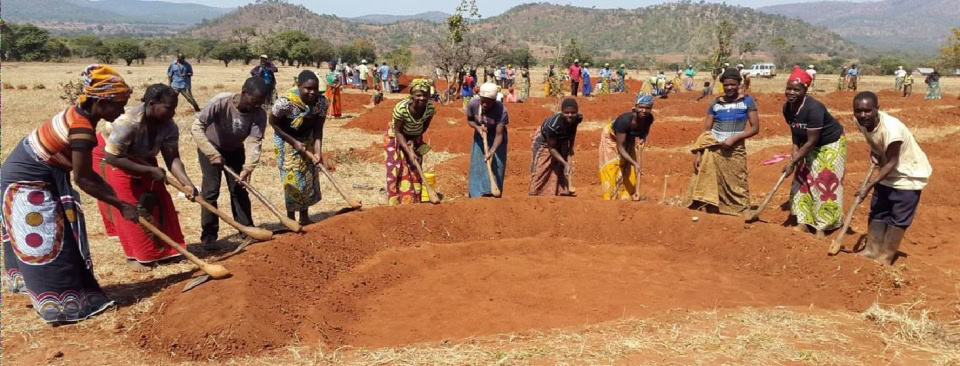
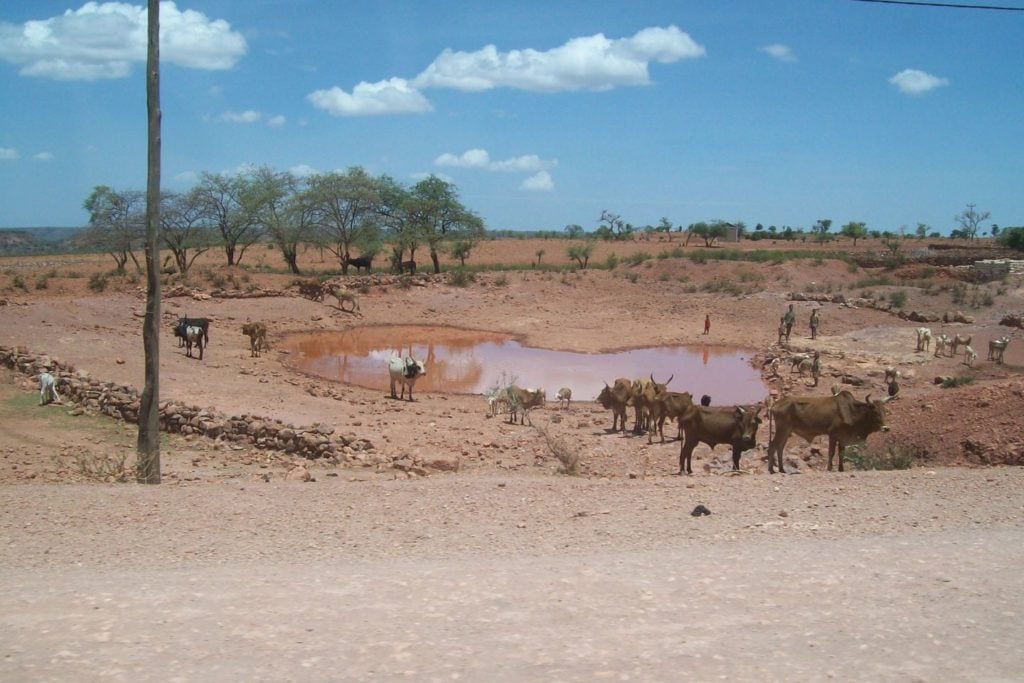
With many of its economies being highly dependent on rain-fed agriculture, climate change impacts in many parts of the African continent are projected to be enormous as climate-related shocks are already manifesting in both rural (ex. Darfur region) and metropolitan areas (ex. Cape Town). These negative effects can induce loss in livestock while accentuating farmer-herder conflicts and slowing down economic growth. This influences the dynamics of human mobility.
This study relies on conceptual framework of climate and environmental impacts on migration as developed in the Foresight report and updated by UN Environment (2017). The framework considers climate change as one factor among others that can lead to migration. To add more depth to its analysis, the authors also reviewed technical and scientific literature on the topic and interviewed relevant stakeholders and specialists.
The results of this study indicate, on the one hand, that climate change is only one factor for human mobility, as social, economic and political factors must also be considered. On the other hand, it sheds light on the necessity for more sustainable migration policy which avoids negative aspects like human trafficking while maximizing the positive potential of migration for development and adaptation to climate change.
You can download the study in here.