Enhancing Risk Assessments (ERA) for Improved Country Risk Financing Strategies – Infographic Egypt
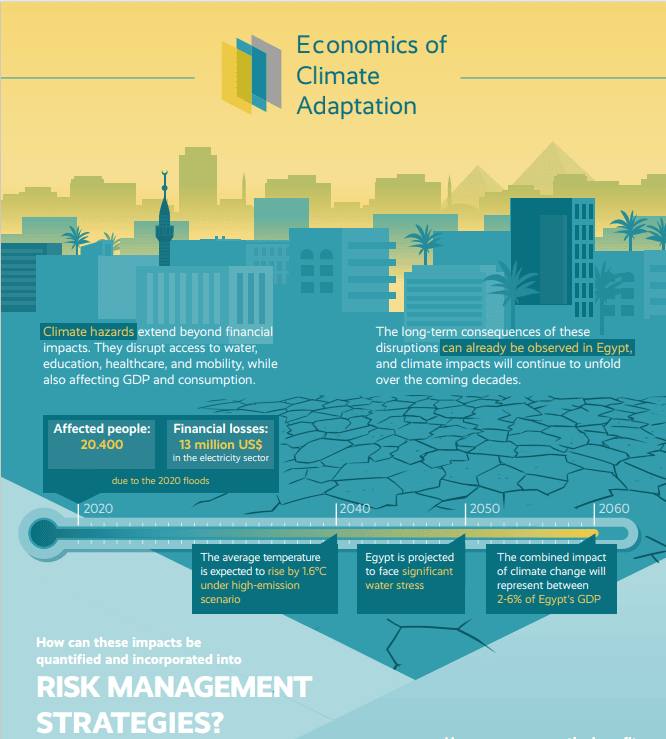
This infographic highlights the key components of the ERA project for Egypt, presenting its approach, main findings, and the tools and partners involved in a clear and visual way.
Managing Climate Risks in Wetlands – A practitioner’s guide
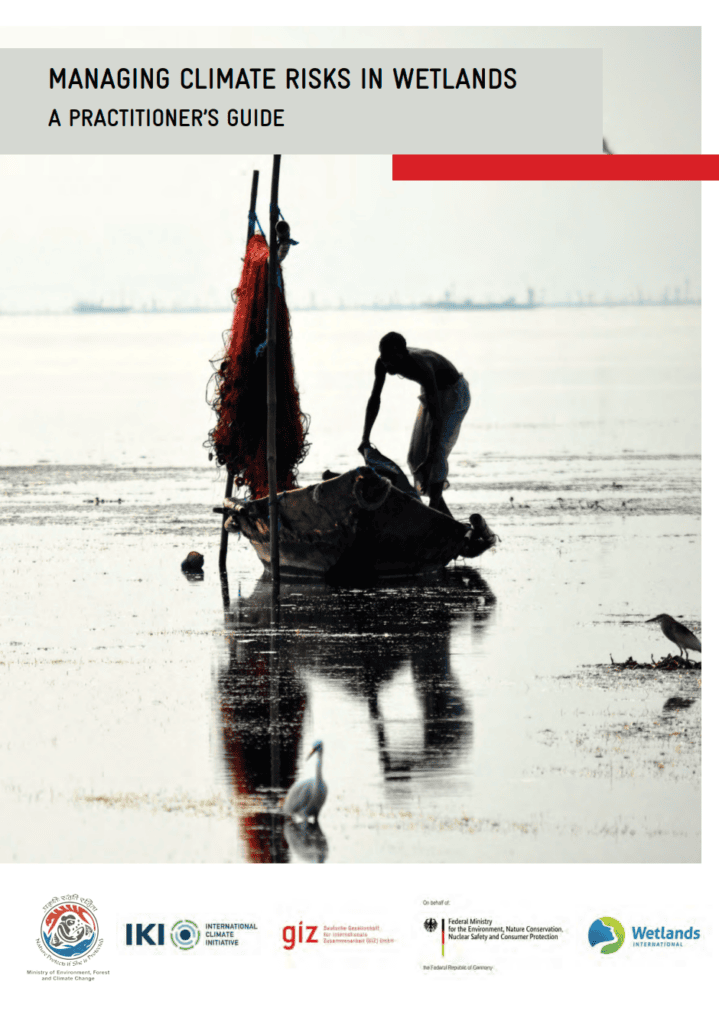
This guide is an assessment methodology for integrated site-level climate risk assessment and adaptation planning. It outlines 3 steps of climate change integrated site management, including vulnerability assessment, adaptation planning, and adaptation implementation and review, and can best be used as a priority-setting process for mainstreaming climate adaptation in wetland management.
Creating Climate Risk Assessments for National-Level Water-Related Hazards
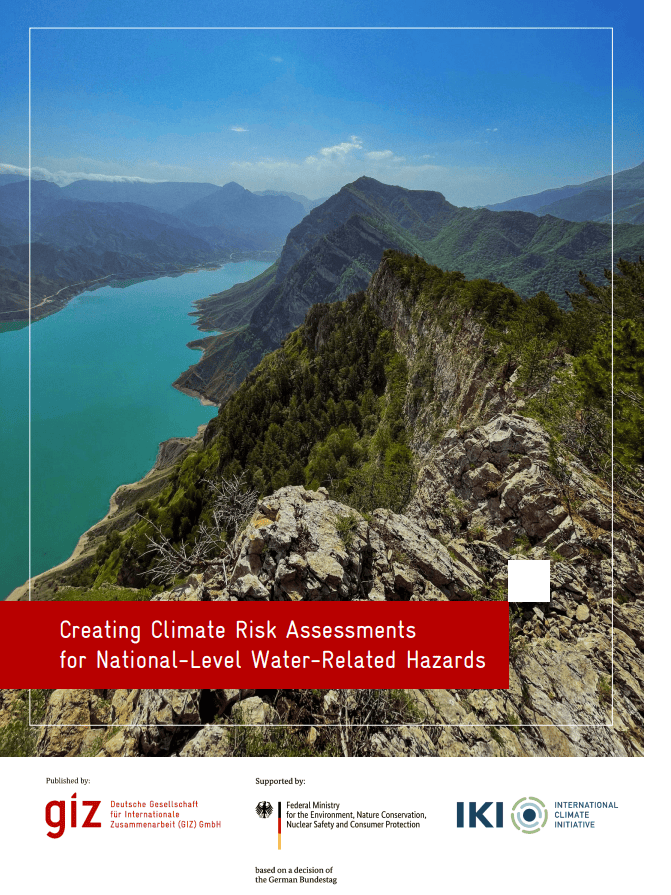
This good practice summary report offers guidance on identifying and analysing national-level water-related hazards, building on experiences from Georgia, Kazakhstan and Mongolia.
Assessment of Dzuds in Mongolia

This technical report presents the methodology for analysing the probability of occurrence and severity of Dzuds in Mongolia. It also presents findings for the period 2024-2100.
Water-related Climate Hazards and Adaptation Measures in Mongolia
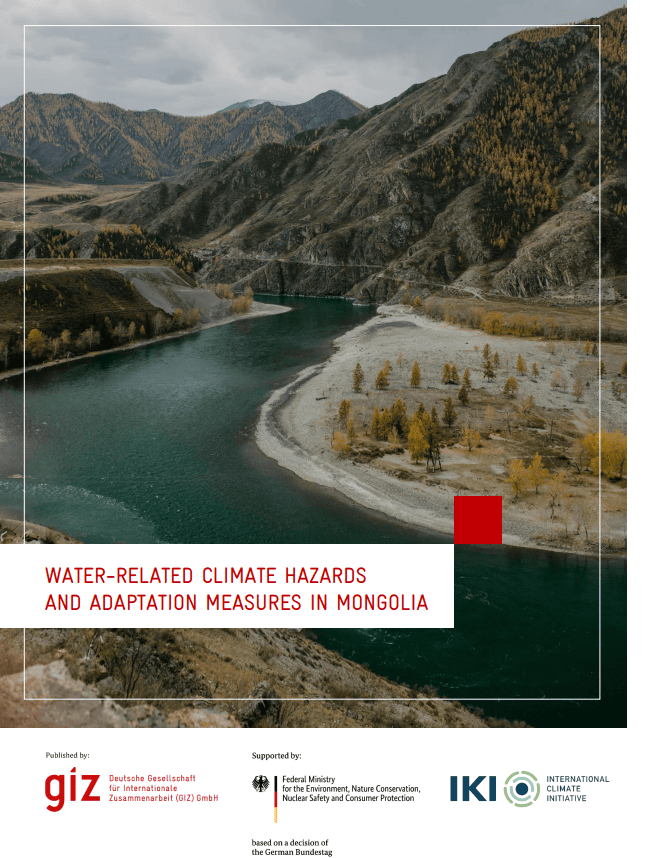
This report presents the most pressing water-related climate hazards in Mongolia together with their probability of occurrence and severity until 2100 as well as possible adaptation measures.
Water-related Climate Hazards and Adaptation Measures in Kazakhstan
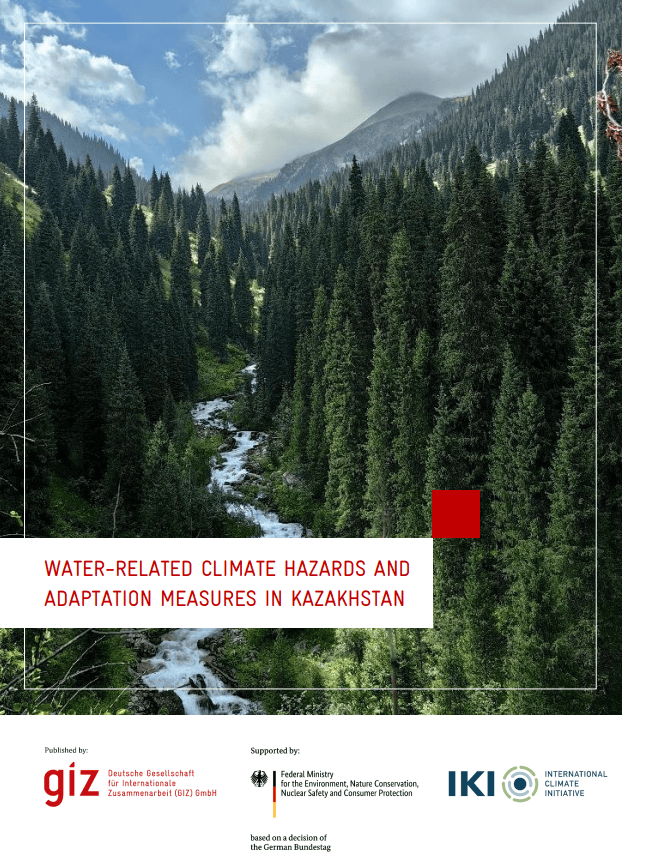
This report presents the most pressing water-related climate hazards in Kazakhstan together with their probability of occurrence and severity until 2100 as well as possible adaptation measures.
Water-related Climate Hazards and Adaptation Measures in Georgia

This report presents the most pressing water-related climate hazards in Georgia together with their probability of occurrence and severity until 2100 as well as possible adaptation measures.
Economy-Wide Impacts of Climate Change and Adaptation in Mongolia
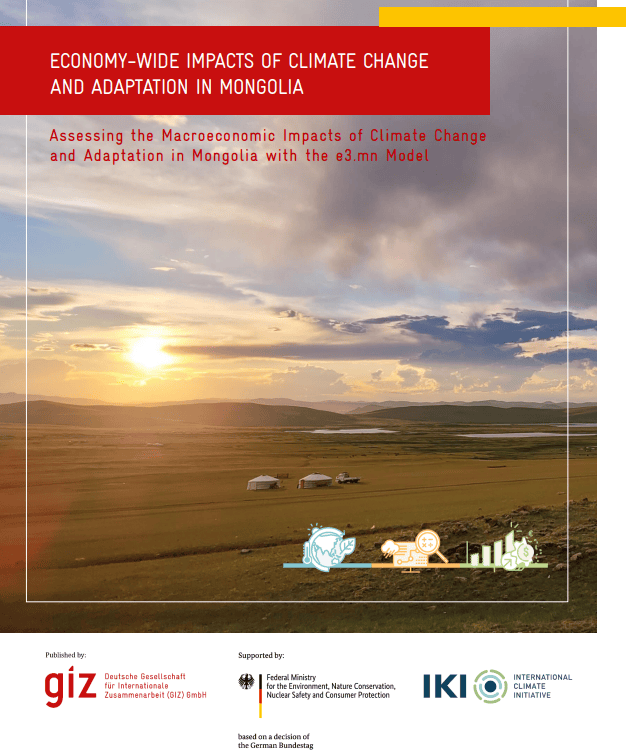
This report presents the economy-wide impacts of climate change and adaptation in Monbolia conducted for the main climate hazards and for four adaptation measures targeting at agriculture and water management to limit the negative climate change impacts on the economy and people.
Application de l’outil CRISP en Bolivie et en Zambie: Identification des risques climatiques et des options d’adaptation dans les projets agricoles et les systèmes alimentaires
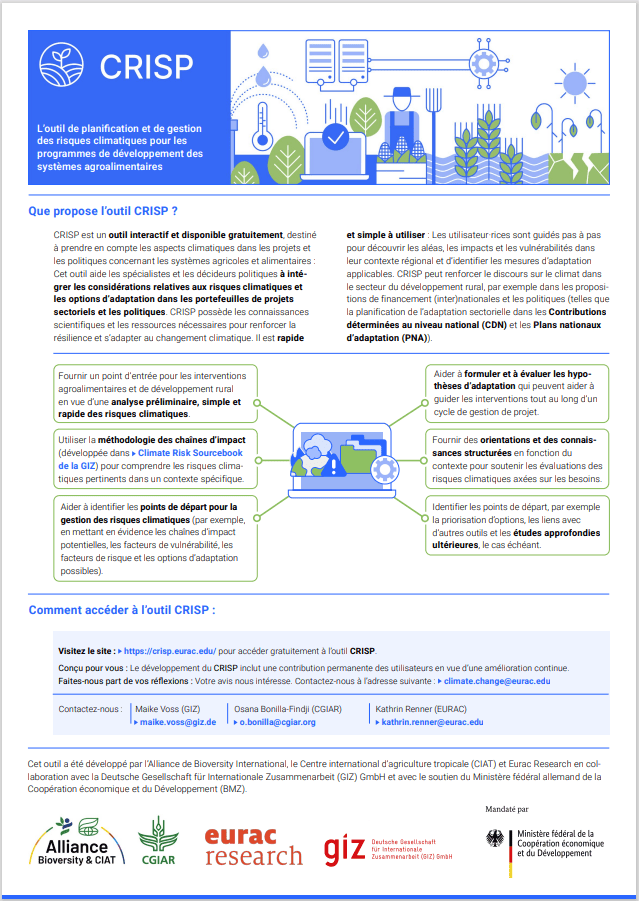
CRISP aide les professionnels et les décideurs politiques du secteur agroalimentaire à comprendre les risques liés au climat et à identifier des options d’adaptation pertinentes pour leurs systèmes agricoles spécifiques. Cette publication illustre l’application pratique de l’outil CRISP en Bolivie et en Zambie. Pour montrer ce que l’outil peut accomplir et quels impacts il a déjà générés, deux projets présentent leurs résultats dans cette fiche d’information.
Le premier exemple, provenant de Bolivie, illustre à quel point l’application de l’outil CRISP peut être précieuse lors de la phase de planification d’un projet. Le deuxième cas, issu de Zambie, met en évidence les avantages des résultats de l’outil pour la vérification des activités déjà mises en œuvre.
Aplicación de la herramienta CRISP en Bolivia y Zambia: Identificación de riesgos climáticos y opciones de adaptación en proyectos agrícolas y de sistemas alimentarios
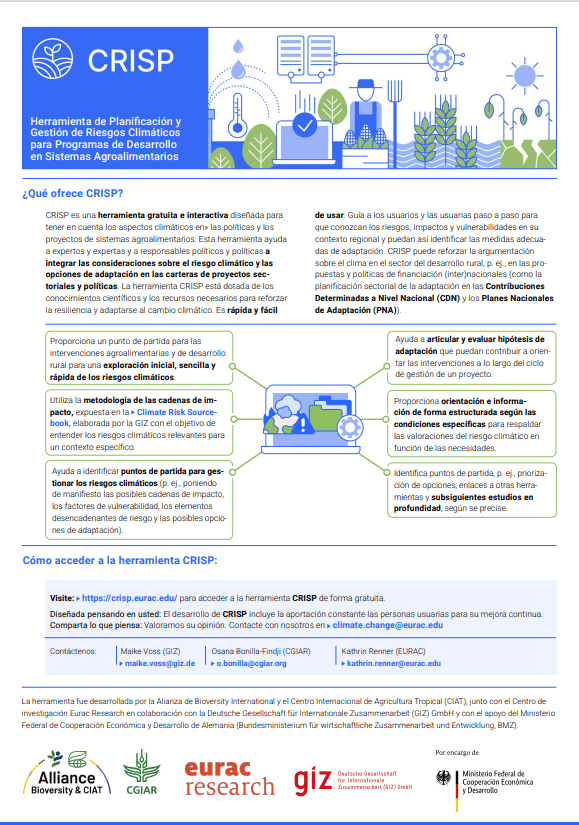
CRISP ayuda a los profesionales y responsables de políticas en el sector agroalimentario a comprender los riesgos relacionados con el clima y a identificar opciones de adaptación relevantes para sus sistemas agrícolas específicos. Esta publicación ilustra la aplicación práctica de la herramienta CRISP en Bolivia y Zambia. Para mostrar lo que la herramienta puede hacer y qué impactos ya ha generado, dos proyectos presentan sus hallazgos en esta ficha informativa.
El primer ejemplo, de Bolivia, ilustra cuán valiosa puede ser la aplicación de la herramienta CRISP en la fase de planificación de un proyecto. El segundo caso, de Zambia, resalta los beneficios de los resultados de la herramienta para la verificación de actividades que ya se están implementando.