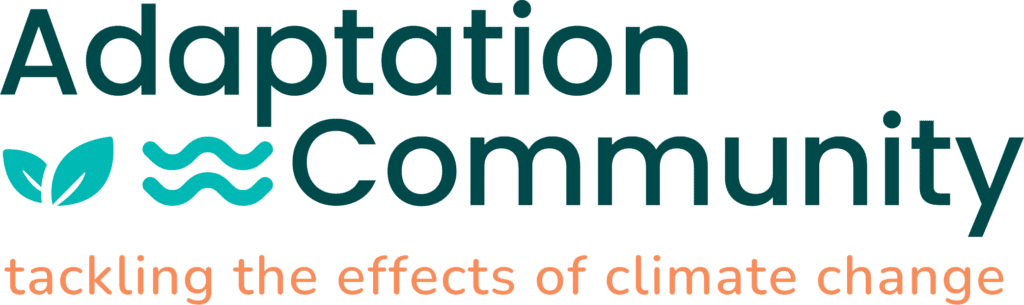
Brazil: Development of Climate Services for Risk Analysis in infrastructure of transmission lines of Santa Catarina — Focus on Wind
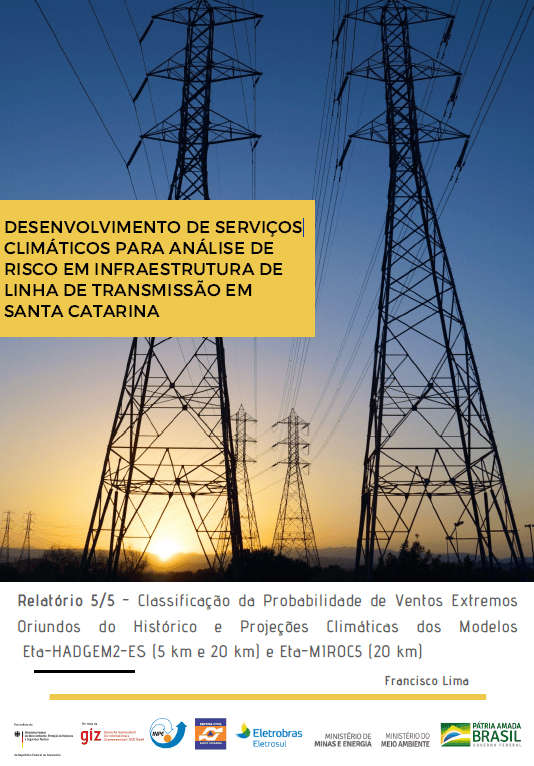
A fivefold report about the development of climate services to be used for climate risk analyses of transmission lines in Santa Catarina in Brazil. The focus here lies on developing climate information with regards to extreme wind events.
Gender and Poverty-related Barriers of the Urban Poor to access Climate and Disaster Risk Finance and Insurance: Evidence from the Mahila Housing Trust in India
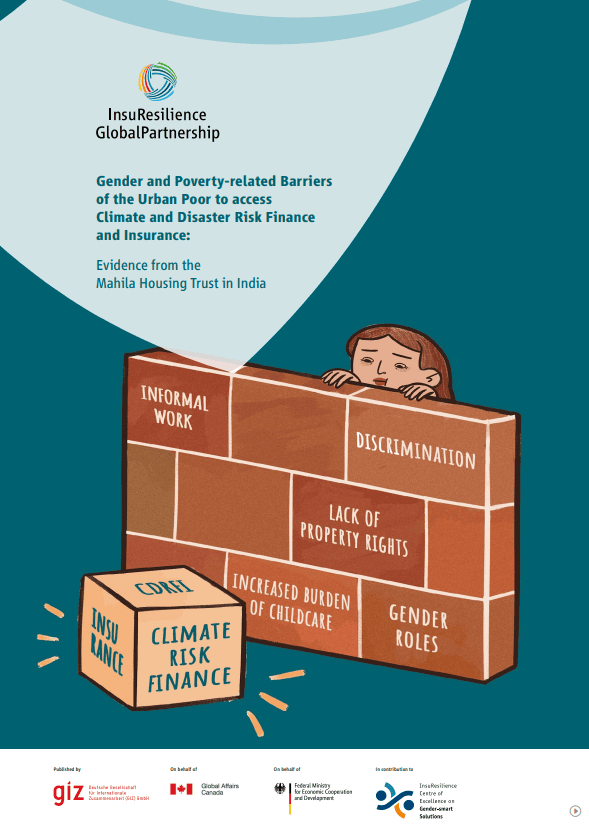
The findings of this study are intended to inform and enable the adoption of gender-responsive disaster risk financing and insurance approaches as part of comprehensive climate and disaster risk management strategies. Interviews were conducted with the Mahila Housing SEWA Trust’s staff in India and urban poor women groups to include their first-hand experiences in dealing with climate risk into recommendations for designing gender-responsive CDRFI solutions.
Brazil: Baseline Assessments Climate Services for Transmission Lines Sector
State of Climate Services for the Brazilian transmission lines sector.
Assessment of Climate Risk & Adaptation Measures for Port of Rio Grande, Brazil
This report is a climate risk assessment based on the PIEVC Portfolio Assessment Guide for the Port of Rio Grande in Brazil.
Assessment of Climate Risk & Adaptation Measures for Port of Aratu, Brazil
This report is a climate risk assessment based on the PIEVC Portfolio Assessment Guide for the Port of Aratu in Brazil.
Brazil: Broad Scale Risk Assessments of Critical Infrastructure

Based on the PIEVC protocol, this study provides an overview of climates risks to critical infrastructure in Brazil.
Climate Risk Assessment of Port Itajai, Santa Carolina, Brazil
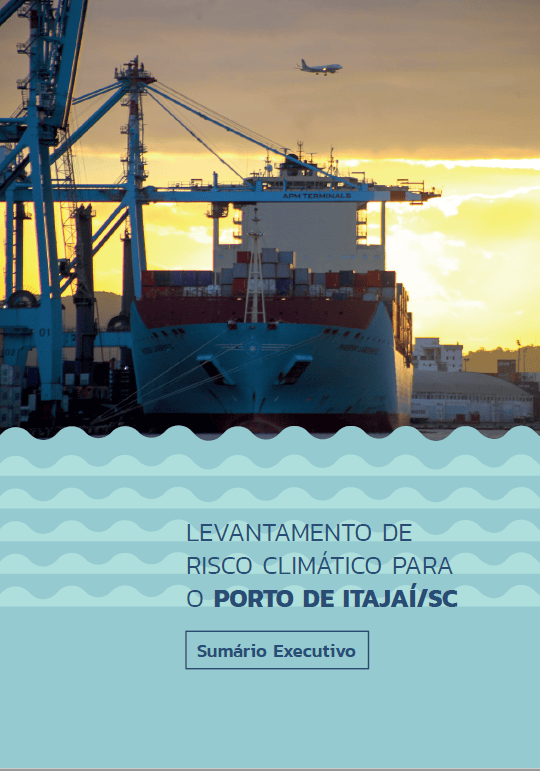
This report summarizes a climate risk assessment of Brazil’s Itajai Port, located in the province Santa Carolina.
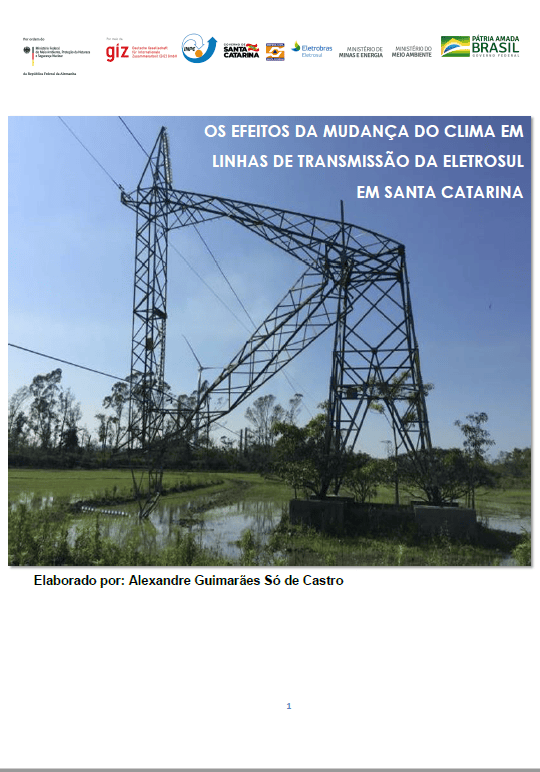
Climate Risk Analysis of Transmission Lines In Santa Catarina, Brazil
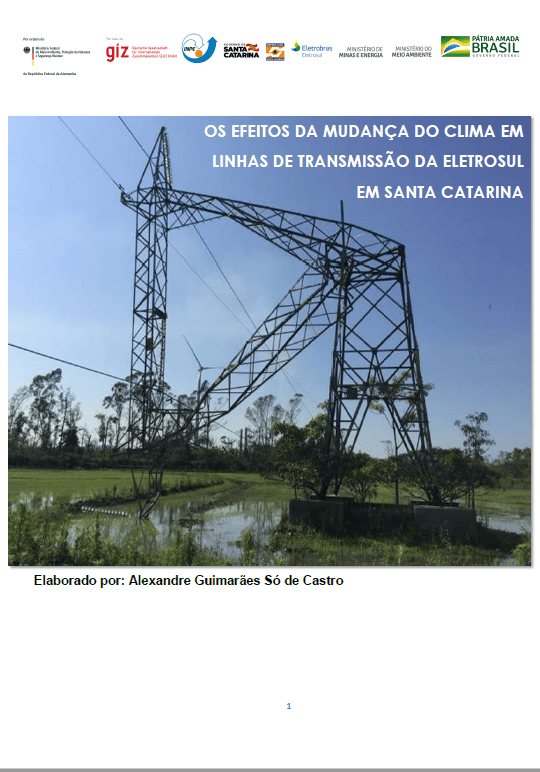
The Effects of Climate Change on Transmission Lines of Eletrosul in Santa Catarina: This report is the report of a Climate Risk Analysis of the infrastructure of transmission lines in Brazil’s region Santa Catarina.
The political economy of premium subsidies: searching for better impact and design
This report investigates the political economy of countrylevel decision-making in relation to sovereign-level CDRFI, and the role of premium and capital support in these decisions. It also analyses the political economy of donor decisions in relation to PCS. Further, the report covers premium subsidies, investigating how these can shape governments’ incentives to purchase insurance as well as considering how the allocation and design of subsidies can affect their impact and effectiveness.
Portfolio Screening: Impacts and Risks of Climate Change to Brazilian Coastal Public Ports – Executive Summary
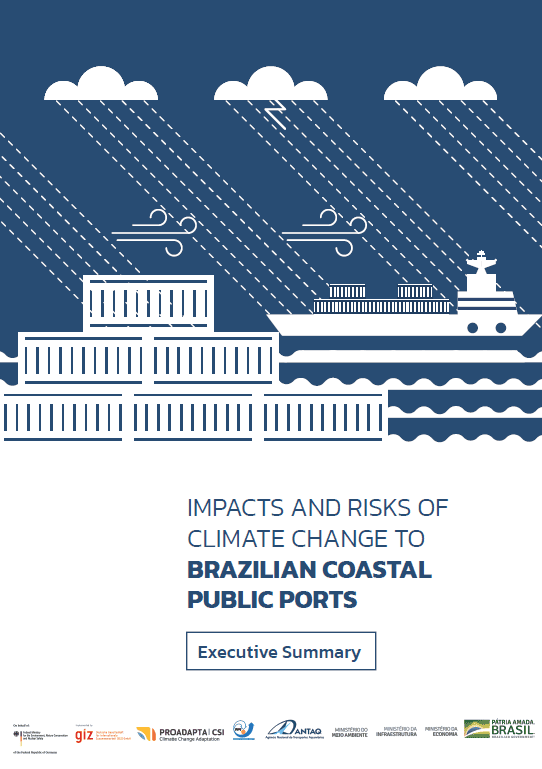
Coping with the consequences of climate change is one of the most complex challenges of Brazil.
The port sector is among the sectors that can directly face the impacts from climate change — specially
because port infrastructure is highly exposed to climatic hazards. The report includes a climate risk assessment for 21 public ports with actionable policy recommendations. This Portfolio Screening is based on the PIEVC Protocol.