La relance verte dans la pratique – Politiques budgétaires pour une transformation durable, inclusive et résiliente
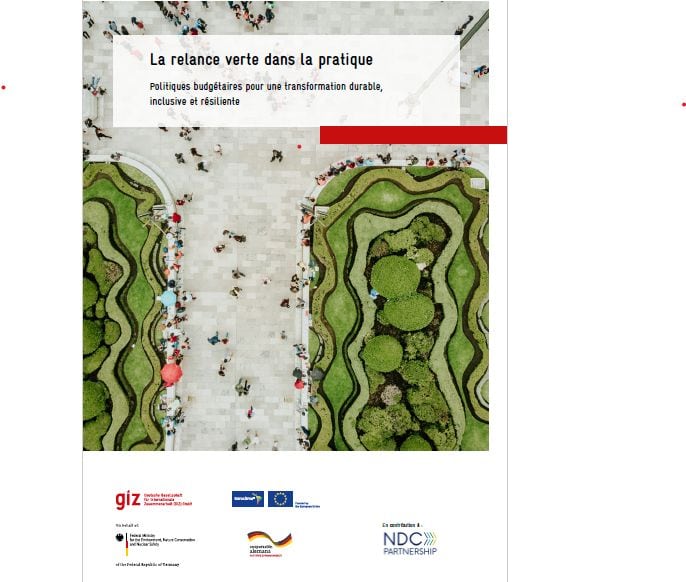
Ce rapport présente la troisième et dernière publication de la série La relance verte dans la pratique qui est développée en contribution à l’initiative de conseil économique (« Economic Advisory Initiative ») de l’NDC Partnership.
La relance verte dans la pratique: Tracer la voie vers une transformation durable, inclusive et résiliente
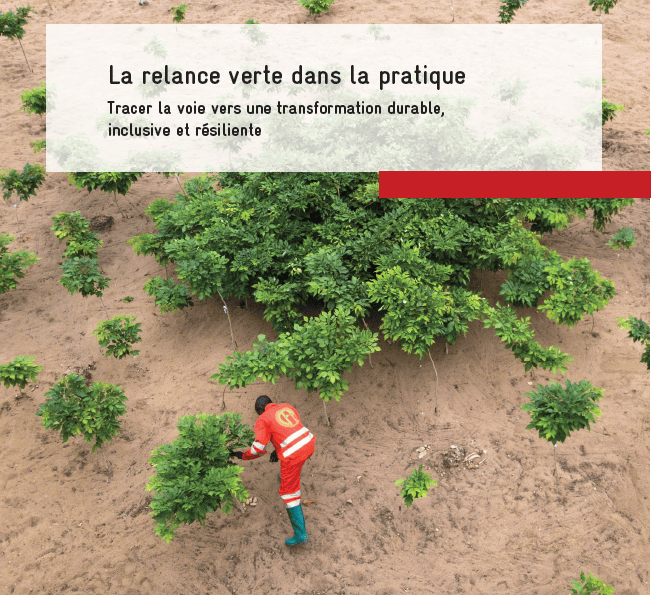
La relance verte est un terme largement utilisé pour désigner les trains de mesures visant à pallier les conséquences sociales, économiques et politiques de la crise de COVID-19 d’une manière qui ouvre la voie à des réformes structurelles à long terme et à un changement de cap vers la durabilité, la protection de la biodiversité, la résilien¬ce et la neutralité climatique. Elle peut être réalisée par le biais de diverses institutions et approches juridiques et politiques, notamment en s’appuyant sur les outils existants mis au point dans le cadre des approches établies de l’économie verte.
Systemic Challenges, Systemic Responses – Innovating Adaptation to Climate Change through Agroecology
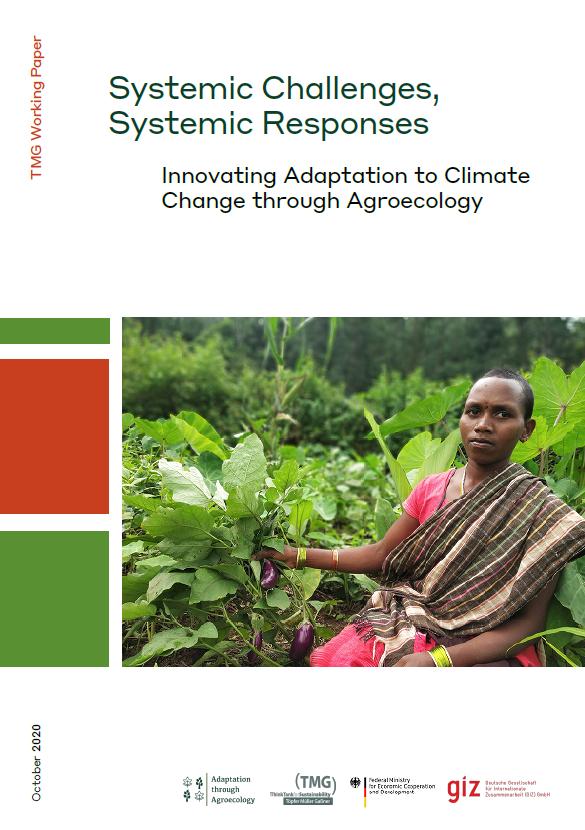
This document summarises several consultations of experts, policy makers and practitioners on the contribution of agroecology to innovative and transformative climate change adaptation responses.
Green Recovery for Practitioners: Setting the Course Towards a Sustainable, Inclusive and Resilient Transformation
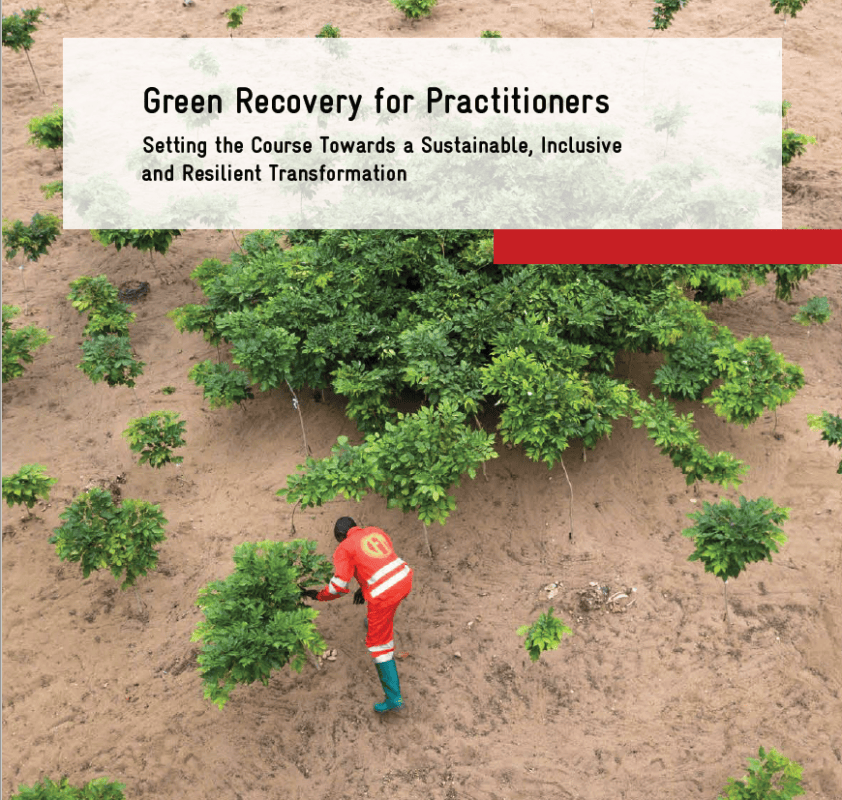
Green recovery is a widely used term for packages of measures addressing the social, economic and political consequences of the Covid-19 crisis in a way that sets the course for a shift towards sustainable and inclusive development, biodiversity protection, resilience and climate neutrality. This paper provides a practical framework that captures the key elements of a green recovery to inform the work of practitioners who seek to support sustainable, inclusive, and resilient recoveries.
Glossary of key terms and concepts for gender, as it relates to Climate and Disaster Risk Finance and Insurance
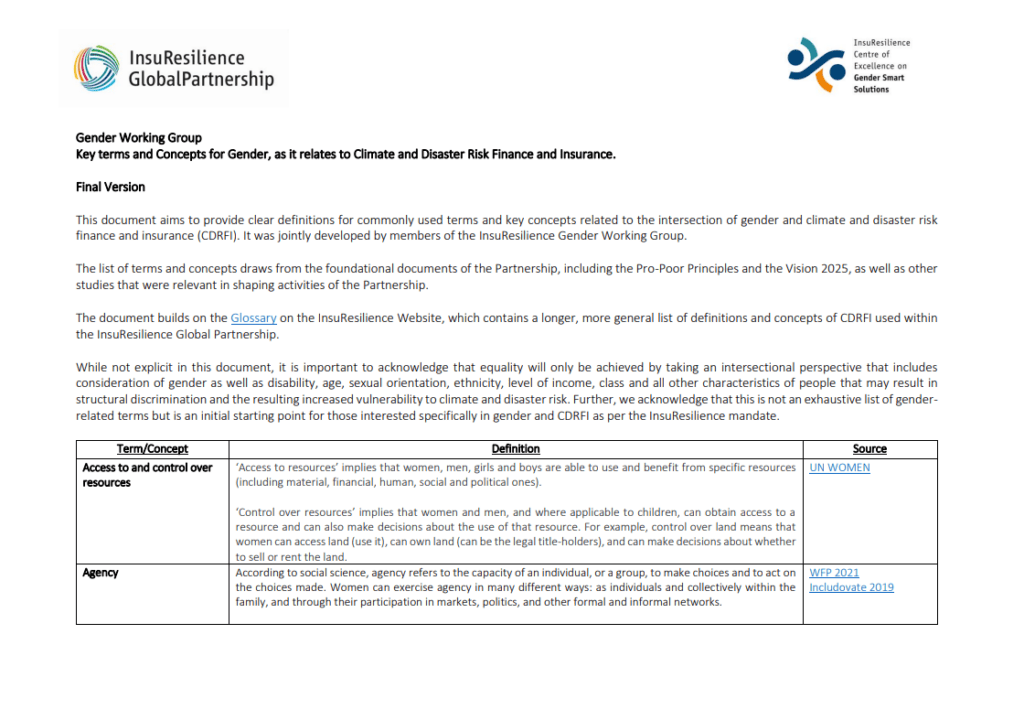
This document aims to provide clear definitions for commonly used terms and key concepts related to the intersection of gender and climate and disaster risk finance and insurance (CDRFI). It was jointly developed by members of the InsuResilience Gender Working Group.
Scoping Paper: Climate Change, Human Mobility and Climate Risk Insurance Tools
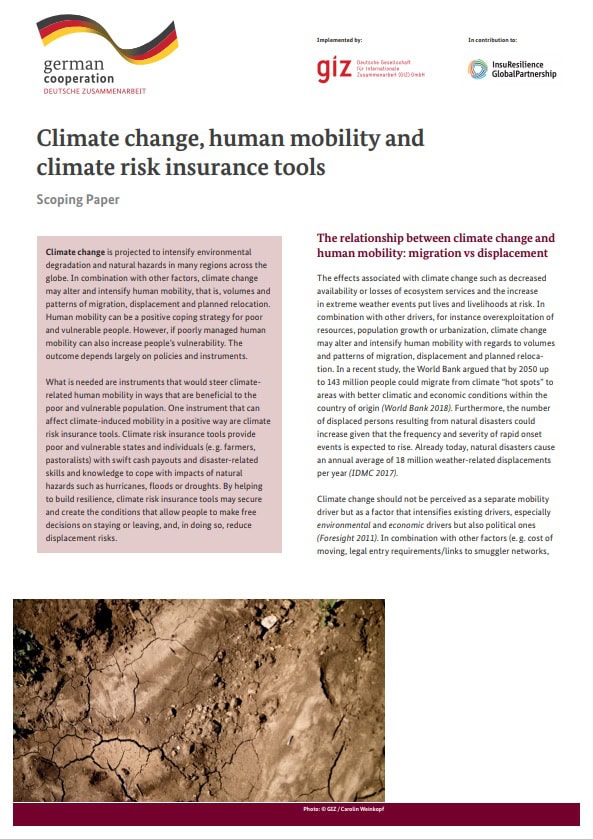
This scoping paper, produced by the BMZ-funded GIZ Global Programme on Human Mobility in the Context of Climate Change in collaboration with the InsuResilience Global Partnership, deals with the relationship between climate change and human mobility and the potential role of climate risk insurance tools (CRI tools) as an influencing factor on human mobility.
Working together for climate resilience – Challenges and success factors for collaboration between technical and financial partners in development cooperation
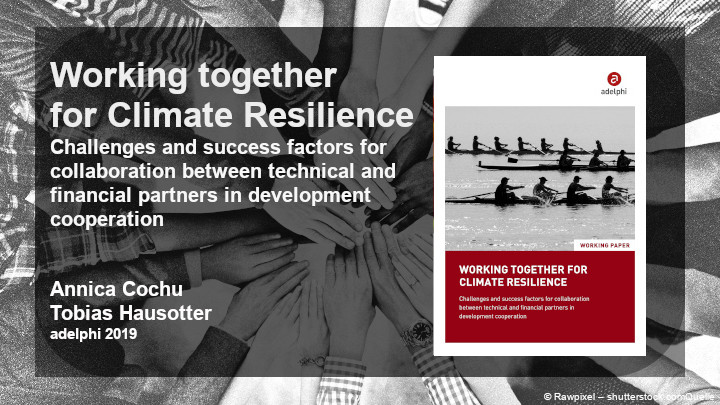
Acknowledging previous and on-going discussions on aid effectiveness, this working paper seeks to shed light on challenges and entry points for practical collaboration between technical and financial development partners in projects on the ground.
Insurance For Climate Adaptation: Opportunities And Limitations
Informing the Global Commission on Adaptation’s flagship report for the UN Cimate Action Summit, a new report has been published on “Insurance for Climate Adaptation: Opportunities And Limitations”. Its content elaborates on climate and disaster risk insurance, its role, its making and recommendations.
Steering International Adaptation Finance Towards the Local Level
The provision of climate finance, especially for adaptation needs in vulnerable and local communities, is considered a key element and political goal in the international climate change space. In this paper, several key challenges and potential solutions for channeling money from the international to the local level have been identified and analysed.
Defining Adaptation – and Distinguishing It From Other Development Investments
How can we distinguish an adaptation project from a regular development project and what exactly is the additionality of adaptation? This question is often raised by ministries, funding institutions and development practitioners.