What are you looking for?

Climate
Change

is one of the greatest challenges of our time

Climate
Change

is one of the greatest challenges of our time

People and states worldwide are already affected by its destructive impacts. Especially developing countries are vulnerable to global warming and its consequences. With the adoption of the Paris Agreement, its global goal on adaptation has been set as an indispensable component of climate action equal to mitigation.

featured

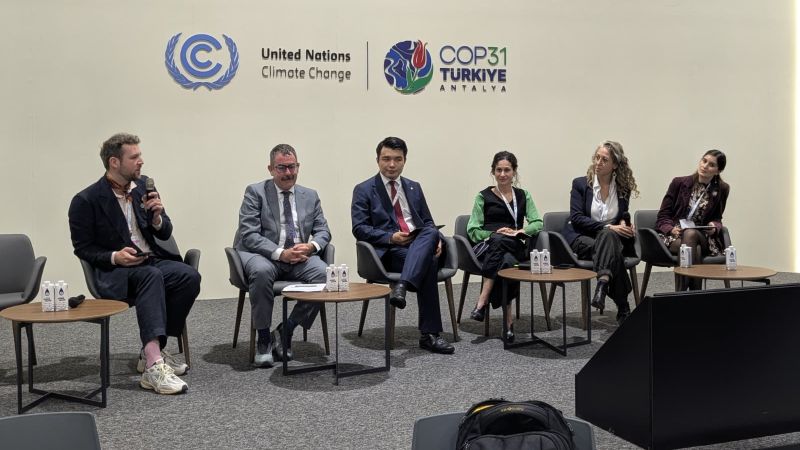
How can we turn national climate ambition into action at every level of government?

At COP31, a side event hosted by Climate Policy Radar and the The London School of Economics and Political Science (LSE) Grantham Research Institute on Climate Change & the Environment, together with Deutsche Gesellschaft für Internationale Zusammenarbeit (GIZ) GmbH, International Institute for Sustainable Development and WWF, brought together Barbara Bodelon Ciuffardi (UN Climate Change / LSE), Michal Nachmany (Climate Policy Radar), Joana Setzer (LSE Grantham Research Institute), Namkhairinchen Mandakh (Mongolia’s Ministry of Environment and Climate Change), Andrés Avila-Akerberg (Mexico) and Clemens Link (GIZ). They discussed how climate, nature and land policies can be better aligned – from national plans to states, cities and municipalities.

NDCs, National Adaptation Plans (NAPs) and National Biodiversity Strategies (NBSAPs) operate in the same economies and landscapes, yet are too often developed in silos. Meanwhile, subnational governments in OECD and EU countries account for 60% of climate public spending and 68% of climate public investment. Yet in 2023, only 3% of global climate finance went to adaptation, with even less reaching local and regional governments. A milestone at this COP: national and subnational governments issued their first-ever joint statement, recognising that national ambition depends on action at every level.

Missed the session? Watch the recording here!

latest

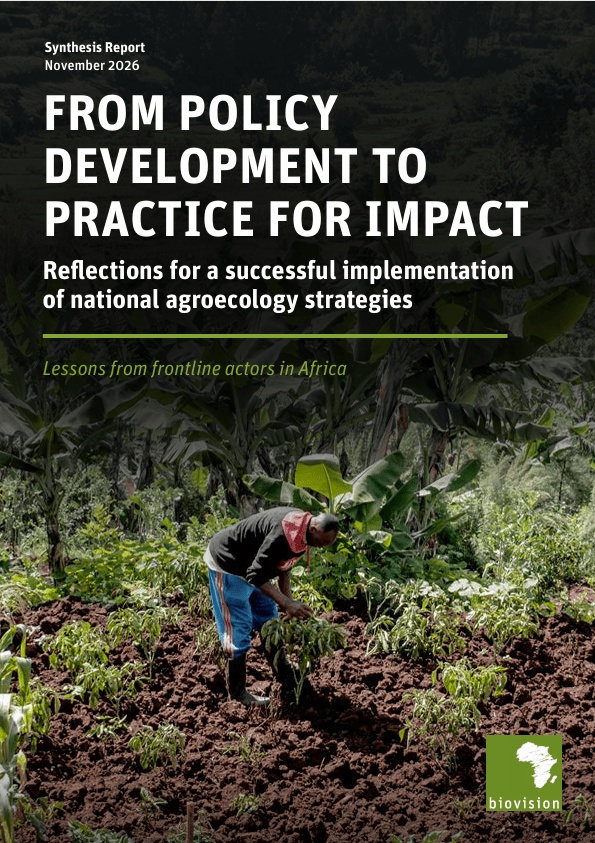
National Agroecology Strategies are gaining momentum as frameworks for transforming agriculture and food systems. This publication focuses on lessons learned from frontline actors in Africa, to move from National Agroecology strategy development to its implementation.
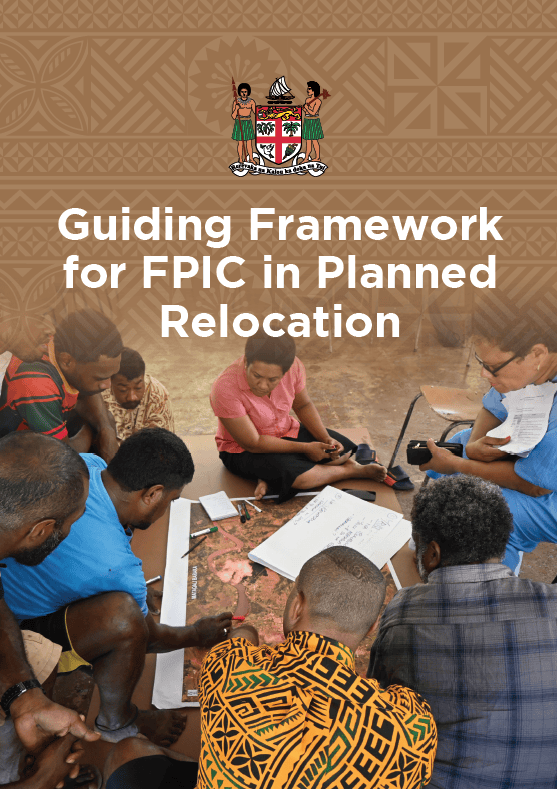
Fiji’s Guiding Framework for Free, Prior and Informed Consent (FPIC) in Planned Relocation provides practical guidance for applying FPIC throughout the planned relocation process.
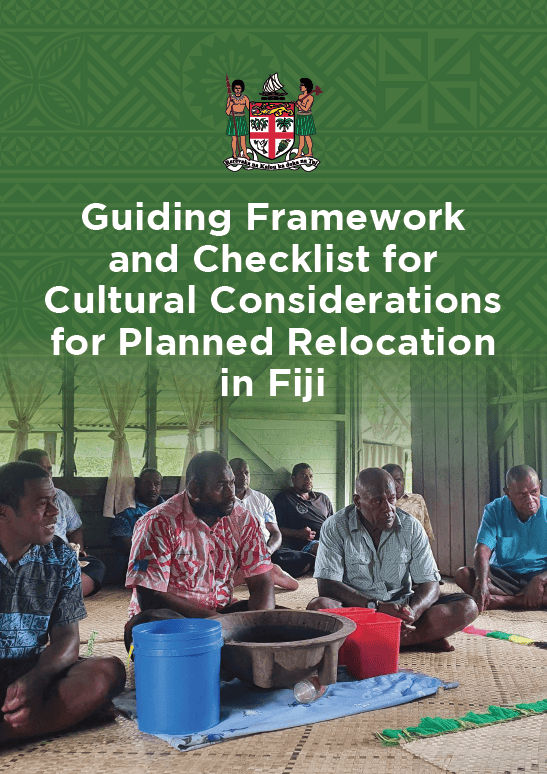
Planned relocation in the context of climate change involves much more than moving people from one location to another. Fiji’s Guiding Framework and Checklist for Cultural Considerations in Planned Relocation provides practical guidance for integrating cultural considerations into the planning, implementation and monitoring of planned relocation.

Topics

  • As the negative impacts of climate change are expected to intensify in the near future, Climate Risk Assessment and Management aims at averting, minimising and addressing loss and damage.
  • Climate Services (CS) provide decision-makers with customized ready-to-use climate information and products (forecasts or historical trends) to effectively manage climate risk. 
  • Economics of Climate Adaptation considers the need to assess the economic impact of climate risks and to develop adaptation options that contribute to economic development and human well-being in a systemic way. 
  • Human Mobility in the Context of Climate Change  looks at how extreme weather events and gradual changes impact human mobility: migration, (disaster) displacement, as well as planned relocation.
  • Mainstreaming of Adaptation systemically includes climate risk and adaptation considerations in decision-making and planning processes. 
  • The National Adaptation Plan (NAP) process aims to integrate adaptation into development planning and to reduce vulnerability to climate change. As the primary national planning process for adaptation, it can support the implementation of NDC adaptation goals. 
  • Agroecology aims at transforming agricultural and food systems towards climate resilience and adaptiveness in order to achieve food security for all. 
  • Ecosystem-Based Adaptation (EbA) is the sustainable use of biodiversity and ecosystems to help people adapt to the adverse effects of climate change. 
  • Urban Climate Resilience refers to the ability of an urban system – and its components – to absorb, adapt to, and recover from the various shocks and stresses exacerbated by climate change, while ensuring the well-being of its inhabitants.
  • Water-centred climate adaptation aims to strengthen the resilience of water resources, water services and freshwater ecosystems to the impacts of climate change. 
  • Climate and Disaster Risk Finance and Insurance (CDRFI) aims to increase resilience and provide protection against climate and disaster risks for vulnerable people and communities. 
  • Private Sector & Adaptation responds to climate-related economical risks and seizes business opportunities in order to safeguard operations, to strategically create sustainable growth and to increase societal resilience. 
  • Adaptation finance plays a crucial role in increasing resilience, especially in developing countries that are often the most affected but have the least resources to cope.

Monitoring and Evaluation (M&E) helps keeping track of the implementation of adaptation measures and assessing their effectiveness and outcomes. The Paris Agreement encourages “M&E and learning from adaptation plans, policies, programmes and actions” (Article 7.9d). 

Connect

Follow us on LinkedIn to stay informed on the latest developments in the climate adaptation community.