


What are you looking for?

Trainings

Here you can find trainings on the subject of climate change adaptation in different languages. Please use the filter option to select your preferred language.
  • Topics

  • Languages

Dans ce cours interactif à l'auto-rythme, qui a été développé en coopération entre le Programme mondial « Mobilité humaine dans le contexte des changements climatiques » de la GIZ et l'Université des Nations Unies – Institut pour l'Environnement et la Sécurité Humaine (UNU-EHS), les décideurs politiques, les professionnels du développement, les chercheurs et les étudiants apprendront comment les changements climatiques influencent la mobilité humaine. En introduisant des concepts clés tels que la migration liée au climat, le déplacement en cas de catastrophe, la relocalisation planifiée et les populations piégées, cette formation développera les capacités nécessaires pour envisager la mobilité humaine liée aux changements climatiques (MHCCC) dans votre domaine de travail respectif. La formation présente des exemples variés de différents pays sur le phénomène du MHCCC ainsi que des options pour les gérer.
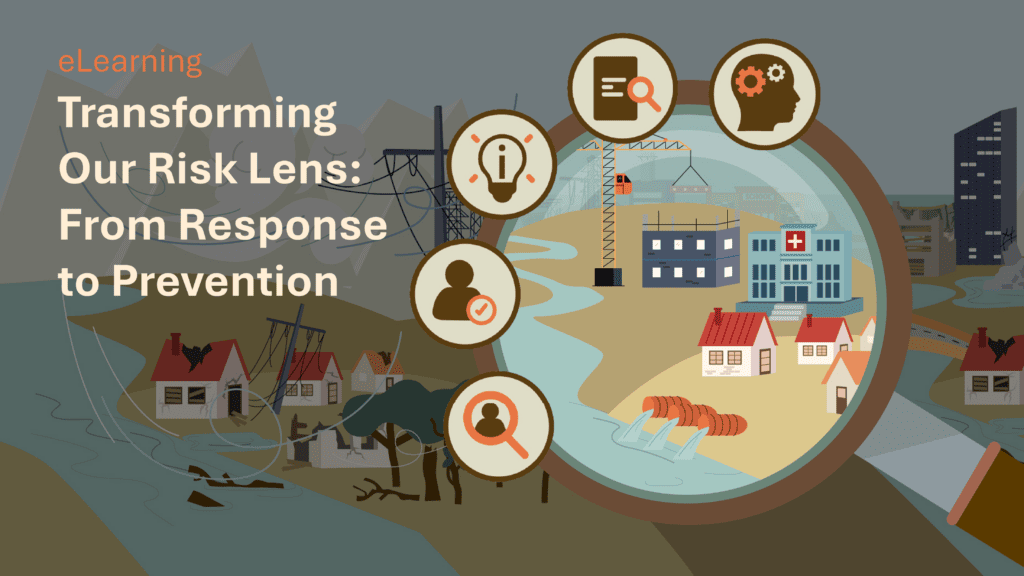
Disasters are becoming more frequent, more intense, and increasingly interconnected. Building resilience requires collaboration across governments, communities, civil society, and the private sector. This course introduces the foundations of disaster risk management (DRM) and explores how risk considerations can be systematically integrated into development planning and decision-making.
A comic-style illustration featuring the words ‘Knowledge for all’, showing an African woman called Amina holding a tablet.
In this interactive, story-driven course, learners accompany Amina, an urban development specialist, on a mission across Africa. She explores how communities, local governments, and practitioners are addressing urban risks and building resilience in diverse contexts. The course provides practical knowledge and tools to help urban planners, policymakers, and development practitioners integrate climate risk considerations into urban development processes, contributing to safer, more resilient, and sustainable cities across Africa.
A new, freely available self-paced e-learning course, jointly developed by UNU-EHS, UNU-VIE and the Deutsche Gesellschaft für Internationale Zusammenarbeit (GIZ) GmbH, will provide learners with a profound understanding of human mobility in the context of climate change. By introducing key concepts like climate related migration, disaster displacement, planned relocation and trapped populations, this training will build capacities needed to consider human mobility in the context of climate change (HMCCC) in your respective field of work. The training showcases diverse examples from different countries on the phenomena of HMCCC as well as options how to manage it.
The Climate Finance Training (CliFiT) is a dynamic, interactive training package with a focus on successfully developing, financing and implementing climate projects. It follows a modular concept, offering several combinations for different learning paths and addressing the specific training needs of the target group.
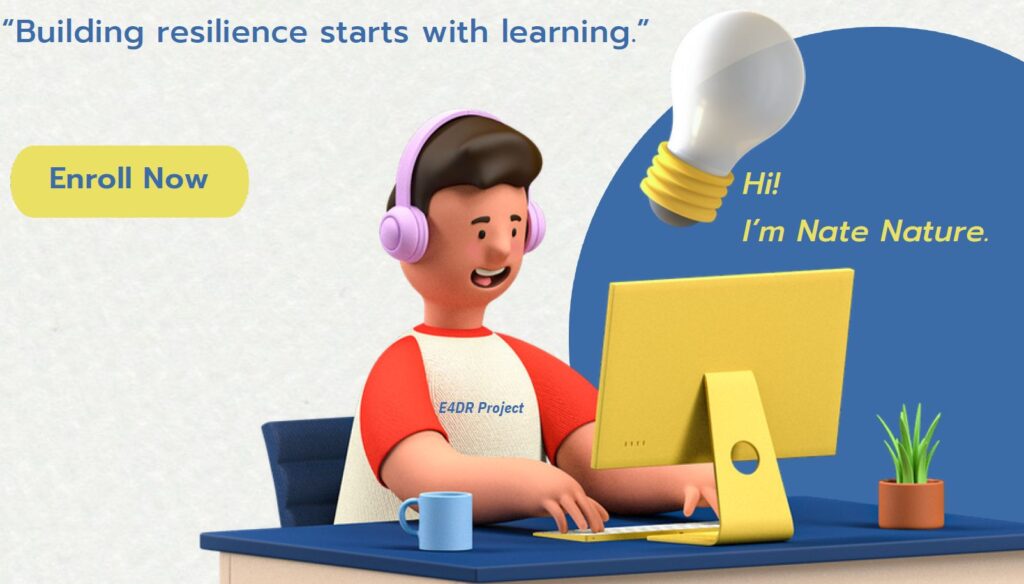
Nate Nature’s Digital Learning Resources is a curated compilation of publicly available online courses developed as part of the capacity development efforts of GIZ - Strengthening Disaster Resilience and Risk Mitigation through Ecosystem-based Planning and Adaptation (E4DR) Project. The resource brings together a range of digital learning opportunities covering ecosystem-based adaptation (EbA), climate resilience, environmental topics, and complementary professional skills.
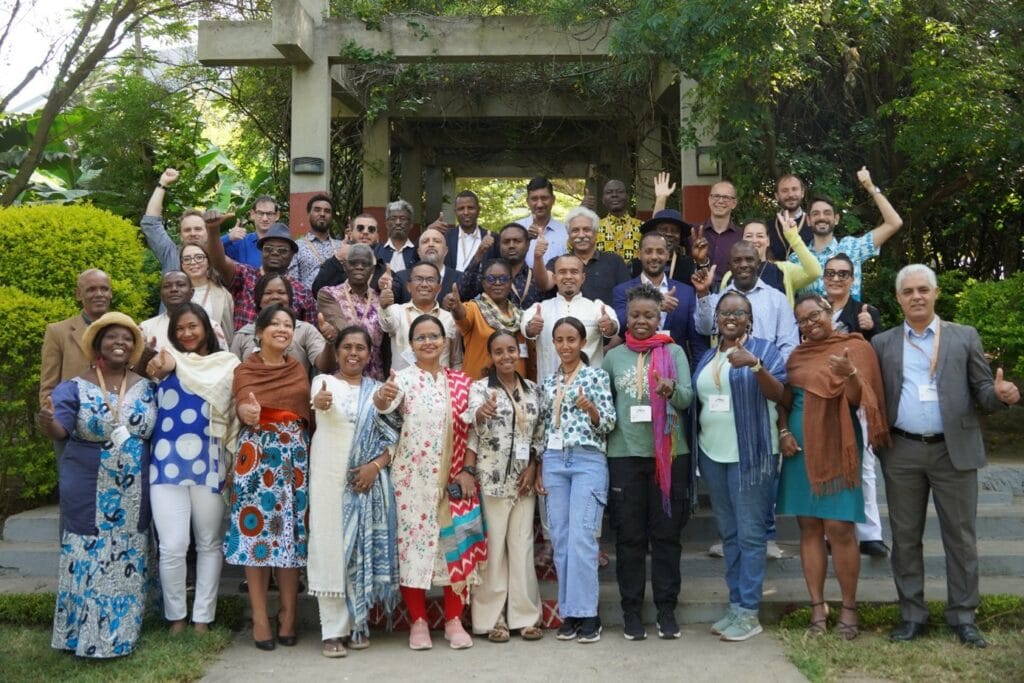
Participants and facilitators of the Agroecology Leadership Academy on the last day of the second international learning event in Hawassa/Ethiopia
© GIZ / Eden Teferi
ProSilience supports the agroecological transformation of food systems in Benin, Ethiopia, Kenya, and Madagascar, strengthening their resilience in the face of climate change and other stressors. Implemented by GIZ and co-funded by the EU and BMZ, ProSilience focuses on empowering stakeholders to become leaders of change — by developing their skills, fostering collaboration, and navigating complex transformation processes. The Agroecology Leadership Academy brings together nearly 40 participants from seven countries, creating a community of practice that helps drive sustainable food system transformation at both the local and international level.
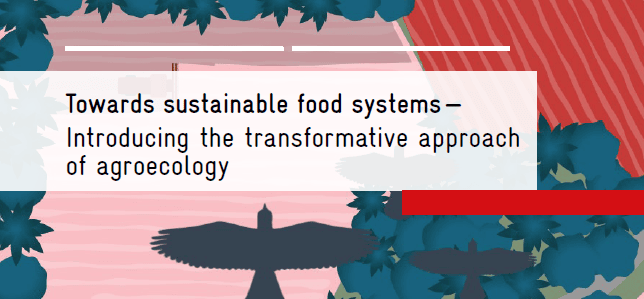
This training provides a contemporary understanding of agroecology and related concepts. It combines theoretical and practical elements and identifies entry points for introducing agroecological approaches into development cooperation projects. Given that the choice of suitable agroecological practices is dependent on the project context, we will not focus on concrete practices but approach agroecology from a strategic perspective.
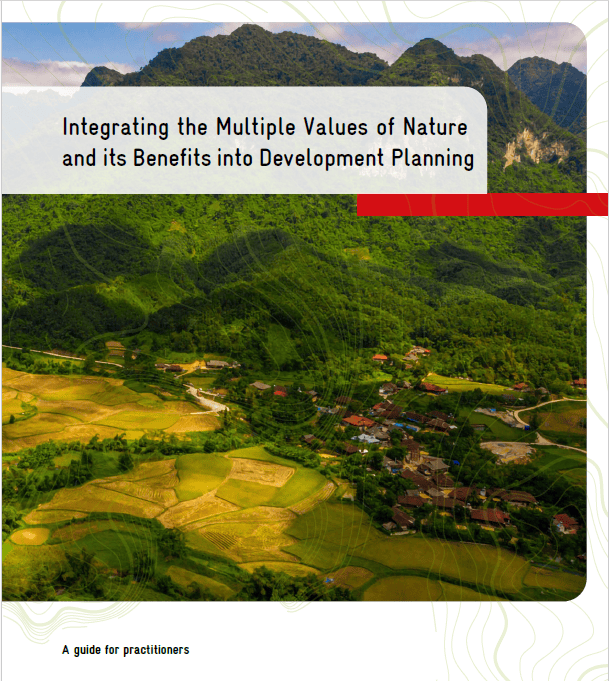
The "Integrating the Multiple Values of Nature and its Benefits into Development Planning" seeks to assist in operationalising the concepts and principles in the IPBES values assessment, with a view to better mainstreaming the multiple values of nature and its benefits into development planning. The guide is targeted at development practitioners,  including those responsible for designing projects and programmes, planning interventions, formulating policies, and implementing, backstopping and monitoring the delivery of on-the-ground activities.
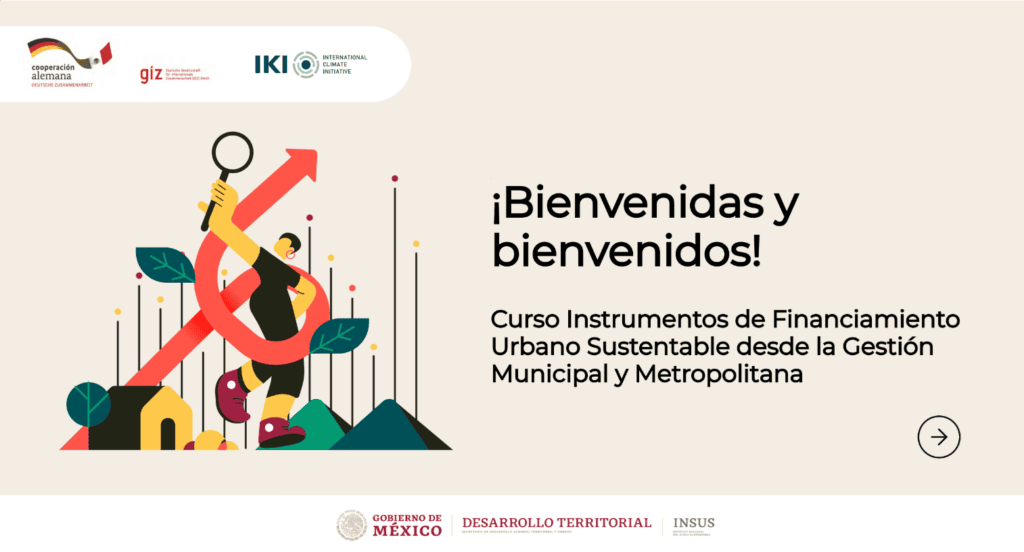
Opening slide for the course on Sustainable Urban Financing in Spanish. Features the name of the course, "Sustainable Urban Financing Instruments for Municipal and Metropolitan Management", logos of Partners and an illustration of a woman walking around a city with a magnifying glass in her hand.
A virtual course in Mexico on Sustainable Urban Financing equipped local governments with vital knowledge to implement climate adaptation and mitigation measures for inclusive urban growth. The course covers urban management, land financing instruments, financing instruments to support housing and climate financing mechanisms. Materials are now available in Spanish.