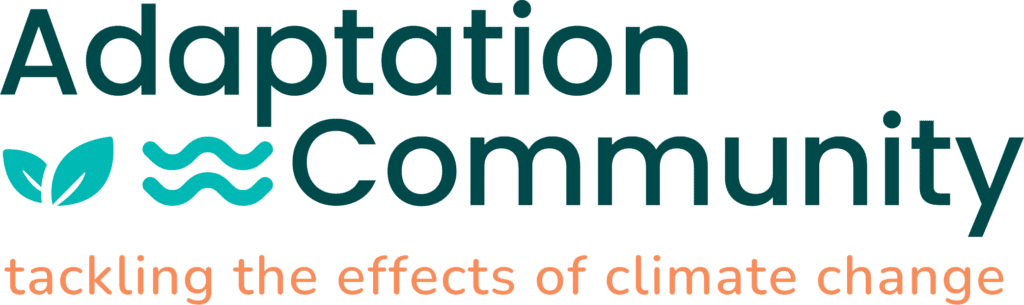
From Concept to Impact: The Biodiversity Mainstreaming Journey under the CBD
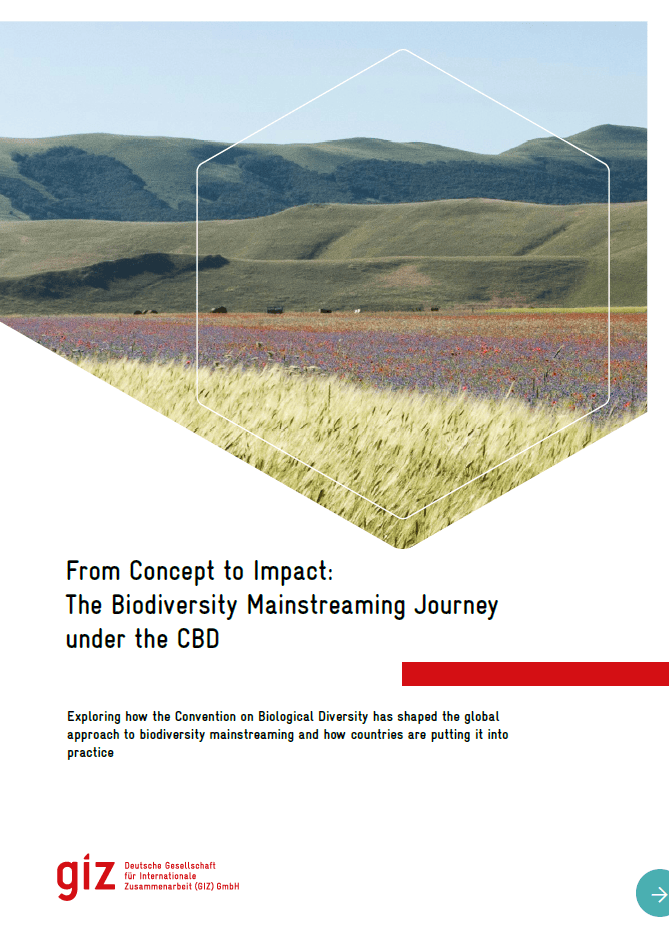
The study shows how the concept of biodiversity mainstreaming has become a cornerstone of global biodiversity governance. It offers an overview of various entry points for mainstreaming biodiversity considerations into different thematic areas, such as in finance, policy planning cycles and monitoring frameworks, and discusses mainstreaming approaches in key sectors, i.e. land-use planning, forestry, infrastructure, and tourism. Case studies from Indonesia, Mexico and Thailand illustrate how biodiversity mainstreaming can be put into practice through national policy instruments and planning processes.
Building Synergies Between Biodiversity and Climate: Insights from countries on NBSAP and NDC planning and implementation

The report provides practical approaches to promoting synergies between climate and biodiversity policy—both at the political level (Rio Conventions) and in on-the-ground implementation drawing from case studies in Latin America, Africa and Asia.
Bridging the gap between climate goals and social protection solutions: New guidance on how to integrate social protection in countries´ climate commitments
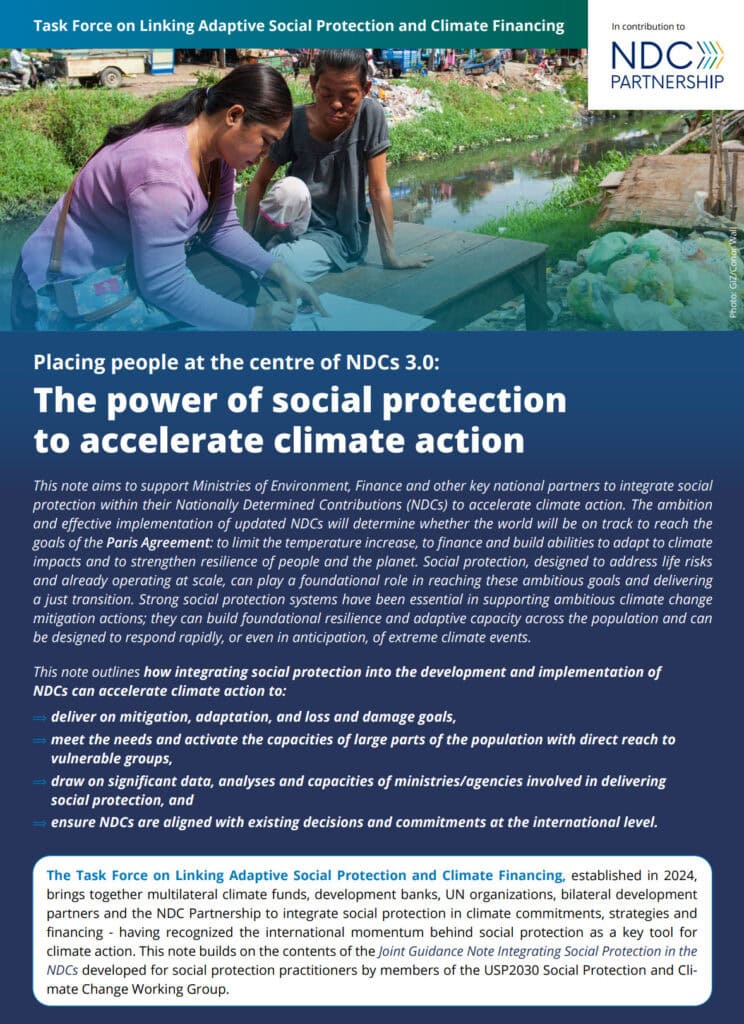
A newly formed international Task Force on Linking Adaptive Social Protection and Climate Financing aims to bridge the gap between climate goals and social protection solutions. Its newly published note demonstrates how social protection systems can be strategically leveraged for climate action.
Economy-Wide Impacts of Climate Change and Adaptation in Mongolia
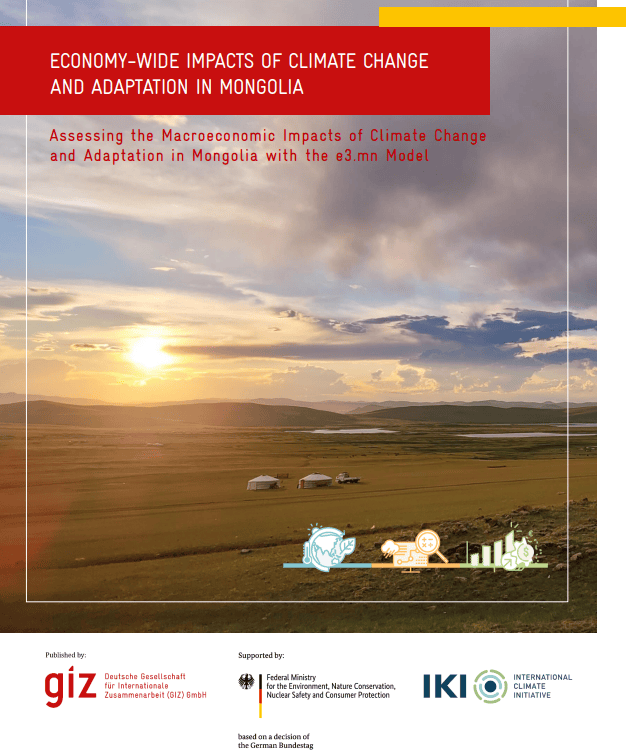
This report presents the economy-wide impacts of climate change and adaptation in Monbolia conducted for the main climate hazards and for four adaptation measures targeting at agriculture and water management to limit the negative climate change impacts on the economy and people.
Effectively delivering on Climate and Nature: NDCs, NAPs and NBSAPs Synergies – A checklist for national policymakers
This checklist for national policymakers illustrates potential opportunities and interactions during the development or update of the NDCs, NAPs, and NBSAPs. It provides a list of points for consideration to enhance synergies and co-benefits throughout planning and implementation phases, ensuring gender-responsive and socially inclusive approaches.
Technical Brief: Promoting Synergies Between Climate Change Adaptation and Biodiversity
The technical summary presents a framework that highlights common elements in the adaptation and biodiversity planning process and provides insights into relevant case studies from different countries that illustrate key lessons learned and best practices. These could be applied or inspire the revision, formulation and implementation of the National Adaptation Plans (NAPs) and National Biodiversity Strategy and Action Plan Processes (NBSAPs), to promote synergies and efficient resource allocation.
Synergies between adaptation, biodiversity, and mitigation: How Ecosystem-based Adaptation can build bridges between Nationally Determined Contributions and the new Global Biodiversity Framework
At the 15th Conference of the Parties (COP15) of the UN Convention on Biological Diversity held in December 2022, the new Global Biodiversity Framework (GBF) has been adopted. Based on these developments, the publication on synergies between adaptation, biodiversity and mitigation takes this new international reality into account. After some general considerations on the role of EbA in building bridges, the authors of the study apply this perspective to three cases (Pakistan, Jordan and Costa Rica), exploring synergies of ecosystem-based approaches in the water, agriculture and urban sectors.
Peer Learning for Climate Action – Why it works and how funders can support it
This brief showcases peer learning as an effective approach to developing capacity for responding to the challenges of climate change. It is aimed at practitioners in funding and implementing agencies, particularly those working in policy processes at national levels, but it is relevant for all those interested in strengthening capacity for climate action.
Addressing Climate Change Through Integrated Responses: Linking adaptation and mitigation
Sustainable development, climate change adaptation, and mitigation are inextricably interconnected, with potential for conflicts and trade-offs, as well as synergies and co-benefits. This policy brief aims to build on a series of recent peer learning events focused on addressing climate change through integrated responses by linking adaptation and mitigation at the planning and implementation stages.
Gender and Climate Change Adaptation in the NDCs – Policy Paper
The policy paper offers an analysis of the gender data held in the Tool for Assessing Adaptation in the Nationally Determined Contributions (TAAN), calling attention to gender-sensitive planning processes, gender-disaggregated impacts as well as gender-responsive budgeting approaches.