Catalysing Finance and Insurance for Nature-based Solutions
Nature-based solutions can be an effective way to address environmental and social challenges, including adaptation to climate change and nature-related financial risks faced by economies around the globe. Although private sector engagement has picked up, nature-based solutions remain severely underfunded.
Market Opportunities for renewable drinking water technology in rural, remote and hard-to-access areas in India
The study focused on rural areas in 8 districts in 4 Indian states, namely, Maharashtra, Odisha, Rajasthan and Uttar Pradesh, was designed to provide a cost-effective and decentralized solution having resilient drinking water source in remote areas.
Gender Strategy of GIZ project on Private Adaptation Finance
Tackling gender inequality and disparities is crucial to build resilient communities and economies. This Gender Strategy outlines the steps the GIZ’s project on Private Adaptation Finance (PAF) – part of the global project NDC Assist II – undertakes to mainstream gender when mobilizing mobilizing finance and investment in private sector solutions for climate change adaptation and resilience.
Assessing the Adaptation Relevance of Businesses: A Selection of Tools
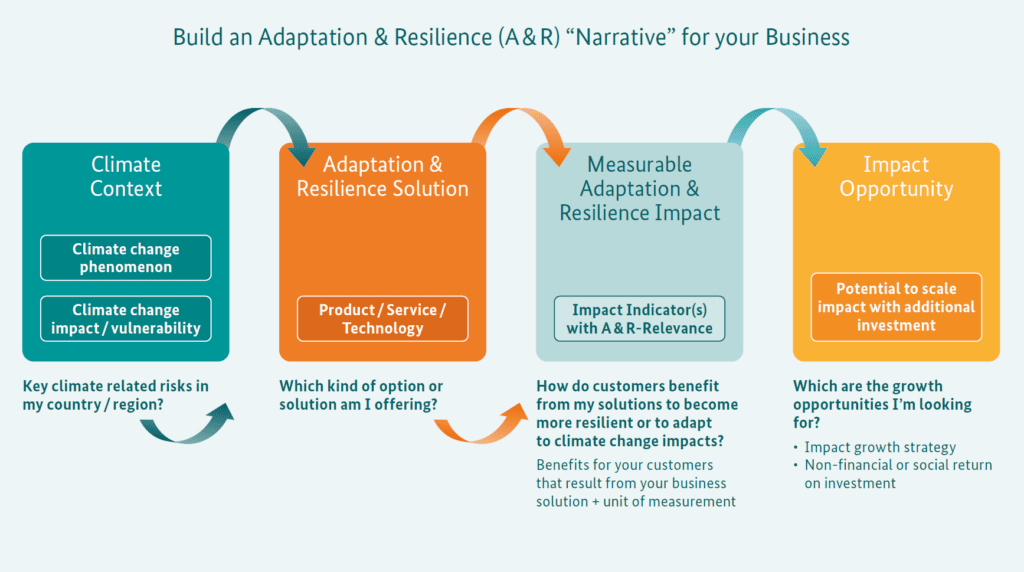
This publication provides an overview of selected tools that businesses can use to identify climate risks and impacts in their regions and economic sectors, and a short guidance as to how this information can be used to build a company’s narrative towards their adaptation relevance.
COP27 Africa Regional Resilience Hub Session: Private sector solutions for climate adaptation and resilience in Sub-Saharan Africa
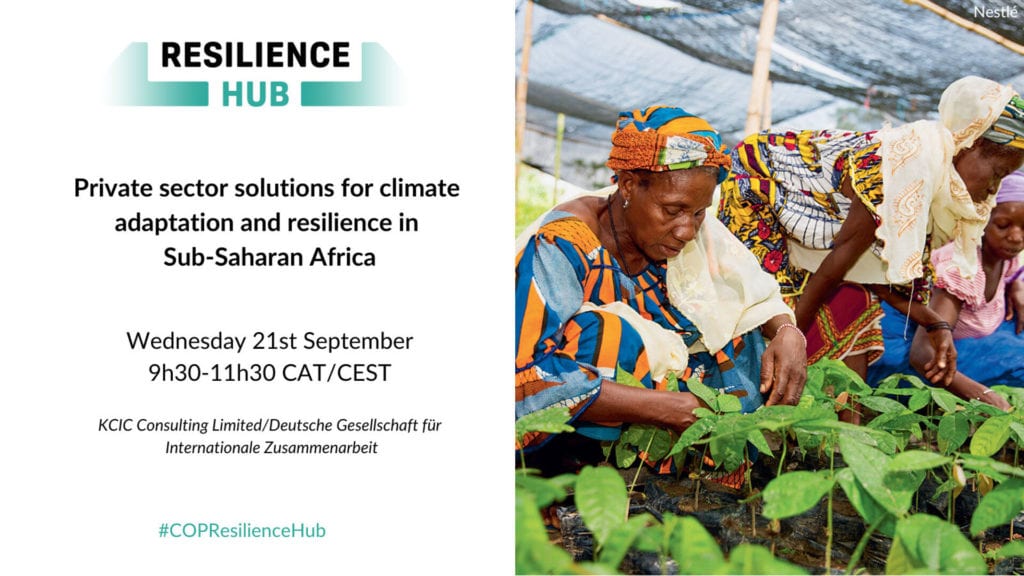
How can the private sector, and small enterprises in particular, contribute to Climate Adaptation in Subsahara Africa? As part of the Africa Regional Hub 2022, Denise Engel, head of the Private Adaptation Finance Component, spoke on a panel on the topic – watch the recording here.
Becoming a Climate Resilient SME
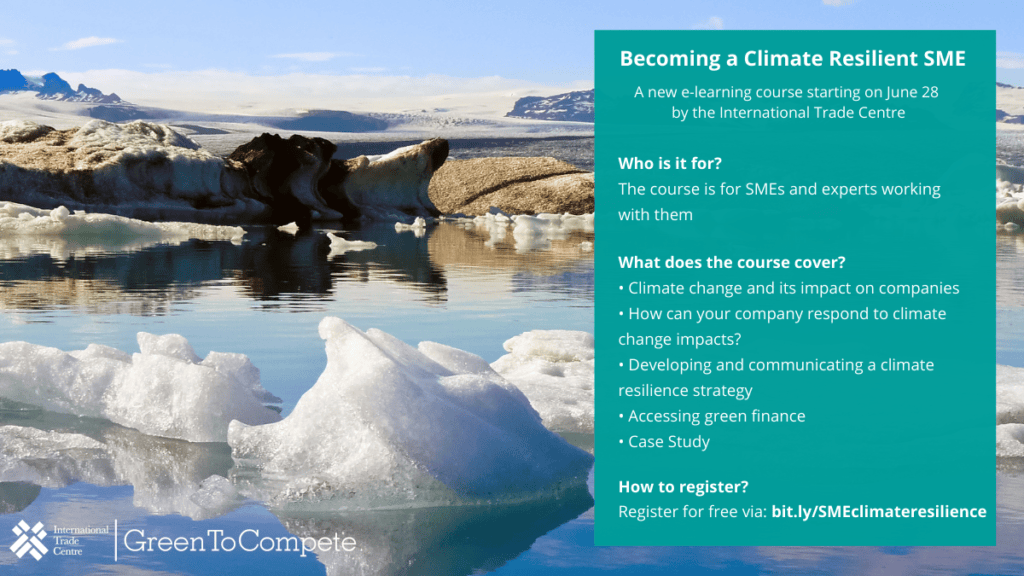
The International Trade Centre (ITC) offers a free e-learning course for small and medium-sized enterprises (SMEs) and experts working with them. The course features the GIZ Climate Expert Approach. Next starting date is Monday, 28th of June. Register now!
Visioning Futures: Improving Infrastructure Planning to Harness Nature’s Benefits in a Warming World
This WWF report, with support from GIZ, outlines a new planning approach integrating considerations of natural capital and ecosystem services, climate risks and resilience, and sustainable development needs to support social-ecological system scale planning.
Climate change and small-scale fisheries

The fisheries sector contributes significantly to income and food security for hundreds of millions of people, particularly in Small Island Developing States (SIDS) and coastal Least Developed Countries (LDCs).
Ecosystem-based Adaptation and Insurance: Success, Challenges and Opportunities
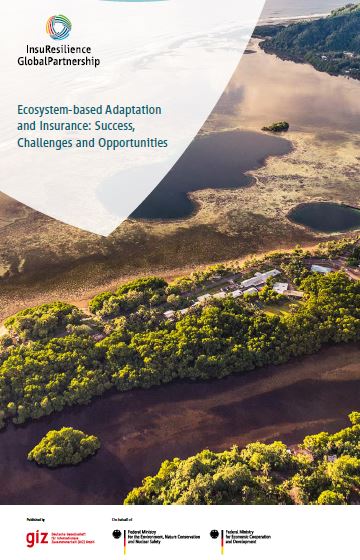
Both Ecosystem-based Adaptation (EbA) and Climate Risk Finance & Insurance (CRFI) can be used to enhance adaptation, reduce and transfer risk, and build resilience to the growing impacts from natural and human-made hazards. There is a nascent and growing interest in where these strategies may intersect and be mutually beneficial for adaptation. The GIZ joint publication by the Global Project Mainstreaming EbA, the InsuResilience Secretariat and ACRI+ is available now.
Bottom-Up Innovation for Adaptation Financing – New Approaches for Financing Adaptation Challenges Developed Through the Practitioner Labs Climate Finance
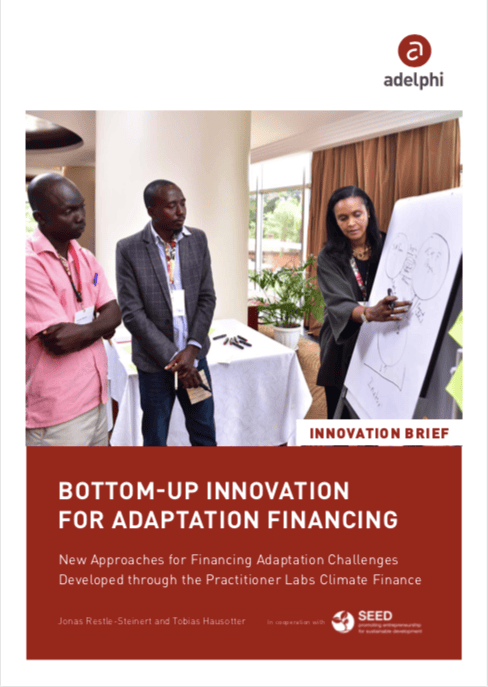
This Innovation Brief presents six innovative bottom-up adaptation financing approaches from the SEED Practitioner Labs Climate Finance 2018 in India, Thailand and Uganda, and shares overarching learnings about challenges and solutions.